
Tick Control Sydney
Ticks are parasites that feed on the blood of animals and people. They favour humid, sheltered environments and may be brought into residential areas by pets, wildlife and other animals.
Pest In The West provides professional tick treatments for homes and suitable outdoor areas across Sydney. We assess the property, identify likely harbourage areas and recommend a targeted treatment to help reduce tick activity.
No outdoor treatment can guarantee that a property will remain completely tick-free, particularly where wildlife or neighbouring vegetation continues to introduce ticks.
What ticks look like
What Do Ticks Look Like?
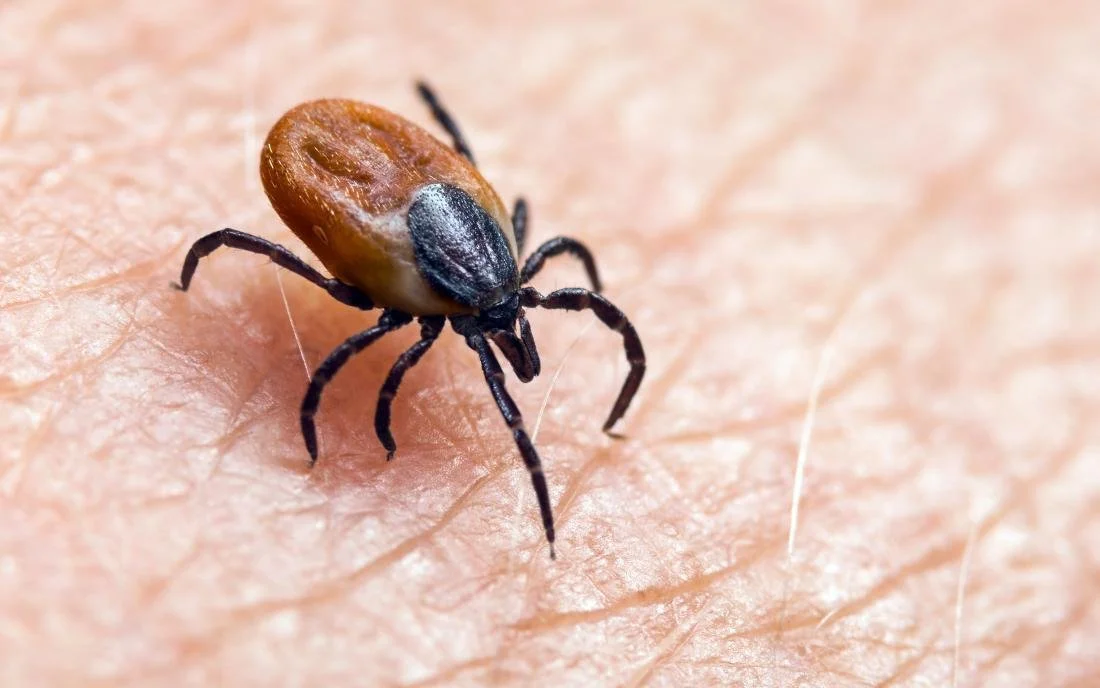
Ticks are small arachnids and are related to spiders. They have eight legs as adults and may vary in colour and size depending on their species, life stage and whether they have recently fed.
An unfed tick may be very small and flat. After feeding, its body can become noticeably larger and more rounded.
Ticks don’t fly or jump. They wait on vegetation or other surfaces and attach to a passing person or animal.
Signs of tick activity
Signs of Ticks Around Your Property
Possible signs include:
Ticks found attached to people or pets
Pets scratching or reacting to a particular area
Ticks discovered in pet bedding or resting areas
Tick activity following time spent in gardens or bushy areas
Ticks found on clothing after outdoor activity
Regular visits from wildlife or stray animals
Activity around shaded, humid and densely planted areas
Because ticks can be extremely small, they may be difficult to notice before attaching.
Common tick harbourage areas
Where Are Ticks Commonly Found?
Ticks favour sheltered areas that retain moisture, including:
Long grass and dense vegetation
Leaf litter and garden debris
Shaded garden beds
Areas beneath shrubs and groundcover
Fence lines and property boundaries
Pet kennels and outdoor resting areas
Areas visited by possums, bandicoots or other wildlife
Bushland edges and overgrown neighbouring areas
Beneath decks and around other shaded structures
Ticks may be present even in a well-maintained garden when suitable hosts regularly pass through the area.
Risks to people
Can Tick Bites Be Dangerous?
Many tick bites cause little or no reaction, while others may cause local irritation. However, ticks can also be associated with serious conditions, including allergic reactions, tick paralysis and tick-borne illness.
Seek urgent medical assistance if a person develops concerning symptoms, particularly difficulty breathing or swelling of the face or throat. Call 000 in an emergency.
For current advice about tick removal or symptoms following a bite, contact a healthcare professional. Avoid using unverified home remedies.
Risks to pets
Ticks and Pets
Ticks can cause serious illness in dogs, cats and other animals. Check pets regularly, particularly after they have been in long grass, gardens, bushland or areas visited by wildlife.
If you find a tick on your pet or notice unusual weakness, behaviour or illness, contact a veterinarian promptly. Professional property treatment does not replace veterinary tick-prevention products or treatment.
Ask your veterinarian which ongoing tick-prevention product is appropriate for your pet.
Professional tick treatment
How Pest In The West Can Help
Tick control begins with assessing the property and identifying the areas most likely to provide shelter for ticks or host animals.
Depending on the property, treatment may include:
Targeted treatment of suitable lawns and garden areas
Treatment around shaded vegetation and groundcover
Treatment of appropriate pet-resting areas
Treatment around fence lines and property edges
Identification of conditions encouraging tick activity
Property maintenance and prevention advice
Follow-up treatment when recommended
Treatment will depend on the property layout, vegetation, weather, level of activity and surrounding environment.
Preparing for treatment
Preparing for Tick Treatment
Elias will provide preparation instructions suited to your property. These may include:
Mowing long grass
Removing excessive leaf litter and garden debris
Clearing access to affected areas
Tidying outdoor pet-resting areas
Removing toys, food bowls and loose items
Keeping people and pets away during treatment and for the advised period
Arranging appropriate veterinary tick protection for pets
Follow all instructions provided before and after treatment.
Prevention advice
Helping to Reduce Tick Activity
You can help make the property less suitable for ticks by:
Keeping lawns trimmed
Removing leaf litter and garden waste
Pruning dense or overgrown vegetation
Increasing sunlight and airflow where practical
Limiting pet access to heavily vegetated areas
Maintaining clean pet bedding and resting spaces
Checking pets and family members after outdoor activity
Using veterinarian-recommended tick protection for pets
Discouraging wildlife from sheltering close to the home, where legally and safely possible
Property maintenance and professional treatment can reduce tick activity, but cannot prevent every tick from being introduced.
Need Help With Ticks?
If ticks have been found on people or pets around your property, Pest In The West can assess the outdoor areas and recommend a suitable treatment plan.
Call Elias on 0422 363 988 or request a free quote online.