
Termite Inspections Sydney
Professional Termite Inspections Across Sydney
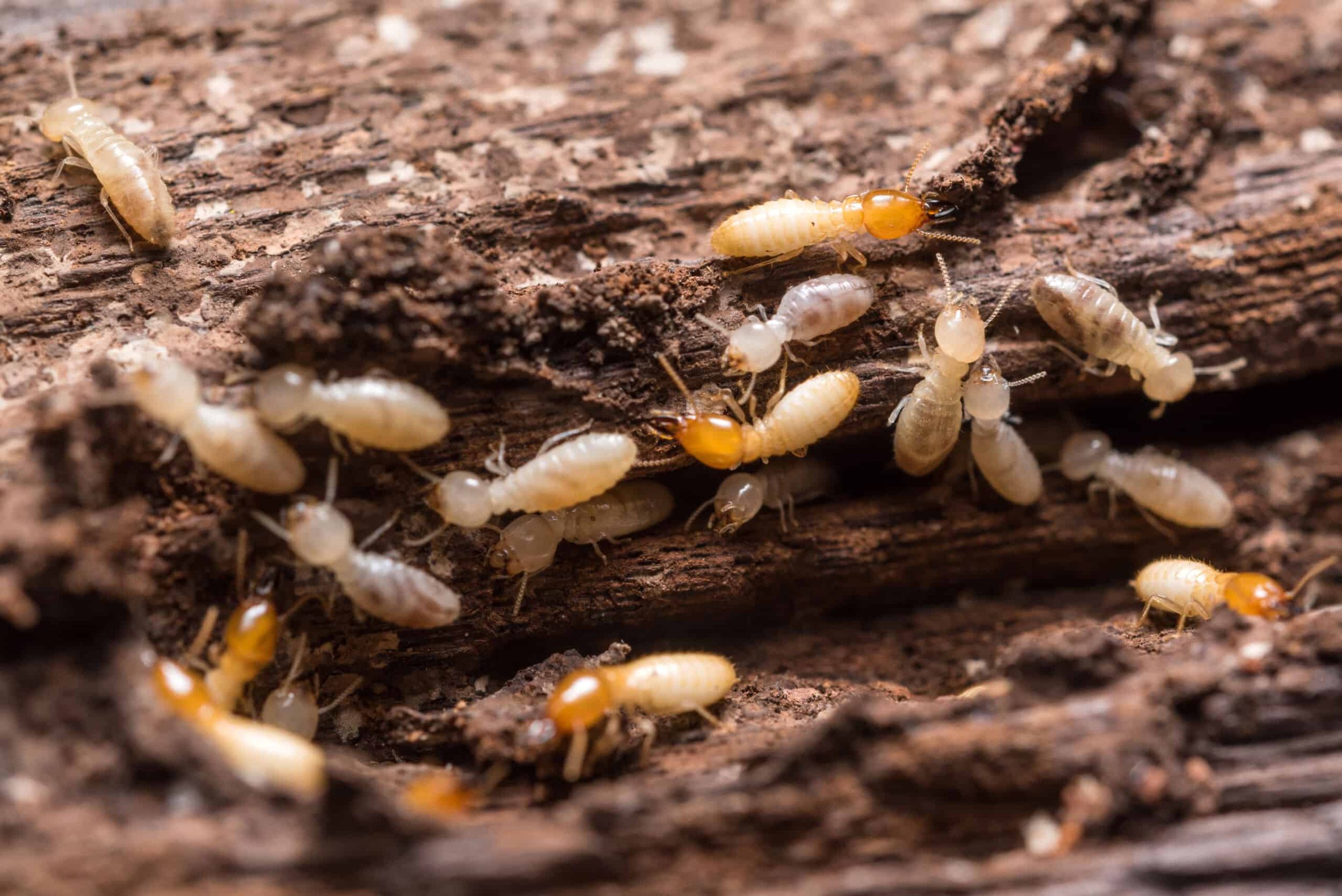
Termites can remain concealed within a property and may cause significant damage before their presence becomes obvious. A professional termite inspection can help identify signs of current or previous termite activity, termite damage and conditions that may increase the risk of termite attack.
Pest In The West provides thorough termite inspections for homes, businesses and strata properties across Sydney. Our inspections assess accessible areas of the property for evidence of termite activity and other factors that may contribute to termite risk.
Following the inspection, we’ll explain our findings and provide recommendations for any further investigation, treatment or ongoing termite management that may be required.
Why Are Regular Termite Inspections Important?
Termites can cause significant damage while remaining hidden within a property. They may travel through concealed areas such as wall cavities, subfloors and structural timbers, meaning activity is not always obvious to the homeowner.
Regular professional termite inspections can help detect evidence of termite activity or damage before it becomes more extensive. An inspection can also identify conditions around the property that may increase the risk of termite entry, such as excessive moisture, timber-to-soil contact and other conducive conditions.
Early detection is particularly important because termite activity can develop or reappear even when there have been no obvious warning signs.
What Does a Termite Inspection Include?
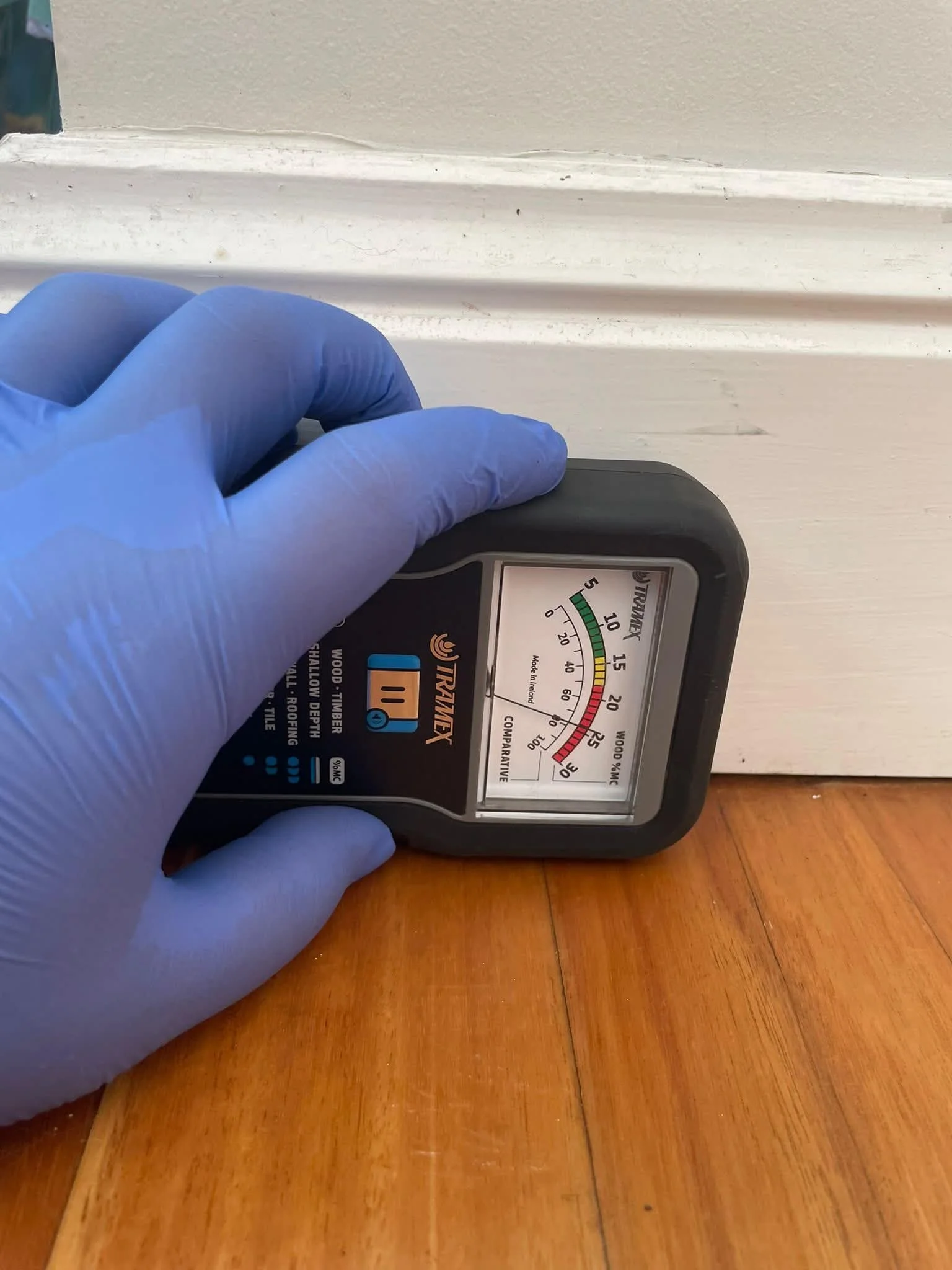
A professional termite inspection involves a thorough assessment of accessible areas of the property for evidence of termites, termite damage and conditions that may increase the risk of termite activity.
Depending on the property and accessibility, the inspection may include:
Interior rooms, walls, skirting boards and other accessible timber
Roof voids and accessible subfloor areas
External walls, foundations and the building perimeter
Garages, sheds and other accessible structures
Fences, trees, stumps and timber around the property
Areas where moisture or timber-to-soil contact may create favourable conditions for termites
Evidence of current or previous termite activity and termite damage
Where appropriate, specialised inspection equipment may also be used to assist with identifying areas that require further investigation.
What Happens During a Termite Inspection?
During a termite inspection, the technician will systematically assess accessible areas of the property for signs of termite activity, termite damage and conditions that may make the property more susceptible to termites.
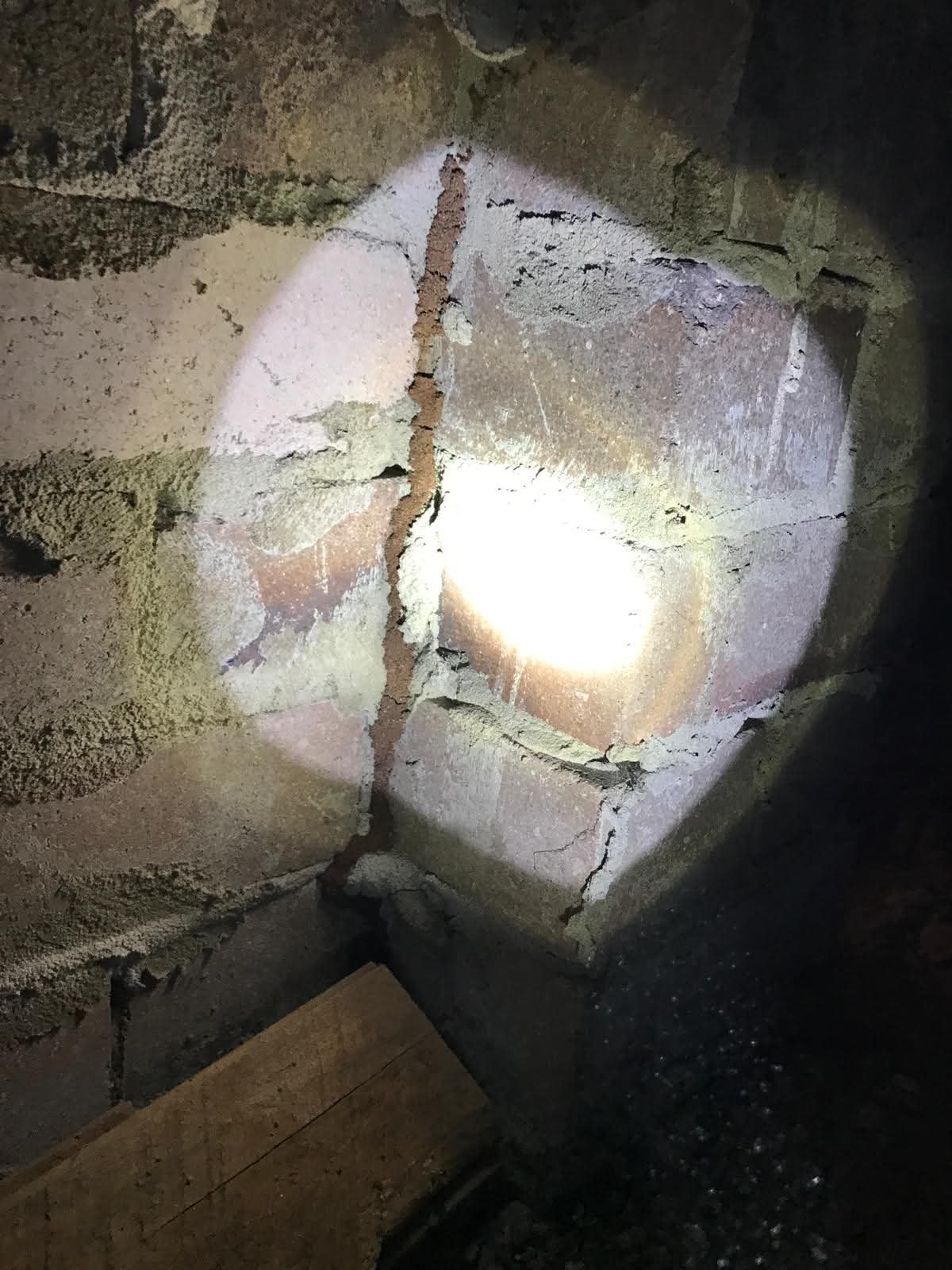
The inspection may involve visually examining accessible timbers and building areas, checking for signs such as termite mudding, damaged timber or other evidence of activity, and using appropriate inspection equipment where required.
Particular attention is also given to areas where termites may gain concealed access to the building and to conditions such as moisture, poor ventilation or timber-to-soil contact that may increase termite risk.
If any areas cannot be accessed or properly inspected, these limitations will be identified, and further investigation may be recommended where appropriate.
What Will Your Termite Inspection Report Include?
Following the inspection, you will receive a written report outlining the findings of the termite inspection.
Depending on the findings, the report may include information about:
Evidence of active or previous termite activity
Visible termite damage identified during the inspection
Areas of the property that could not be fully accessed or inspected
Conditions that may increase the risk of termite activity
Areas that may require further investigation
Recommendations for termite treatment or management where required
Recommendations for future termite inspections and ongoing monitoring
The findings will also be explained to you so you understand any areas of concern and the recommended next steps for your property.
How Often Should You Have a Termite Inspection?
Regular termite inspections are an important part of protecting your property from termite damage.
As a general guide, professional termite inspections are recommended at least once every 12 months. However, more frequent inspections may be recommended depending on the property’s construction, location, previous termite activity, environmental conditions and any existing termite management system.
Properties with a higher termite risk or a history of termite activity may require more frequent monitoring. Following your inspection, Pest In The West can advise you on an appropriate inspection schedule based on the findings and individual risk factors of your property.
Signs You May Need a Termite Inspection
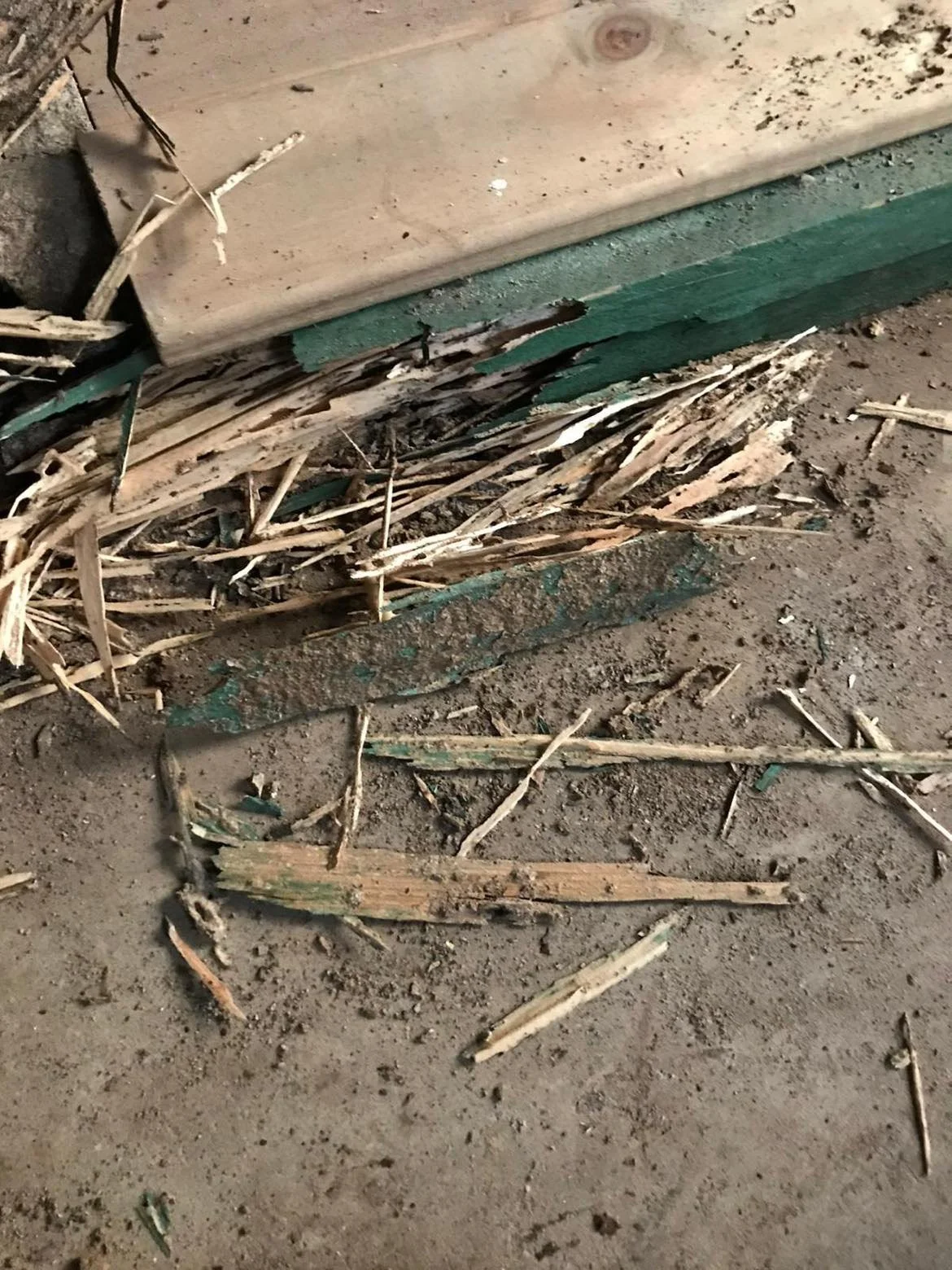
Termite activity is not always easy to recognise, but some signs may indicate your property should be professionally inspected.
These can include:
Mud shelter tubes or termite mudding on walls, foundations or timber
Timber that sounds hollow when tapped
Timber that appears damaged, weakened or unusually soft
Cracked, bubbling or distorted paint or wall surfaces
Winged termites (alates) or discarded wings around the property
Doors, windows or timber areas are becoming difficult to open or close
Visible live termites or suspected termite activity
Previous termite activity at the property
Termite activity found in nearby trees, fences, stumps or landscaping
Even without visible warning signs, termites may still be present in concealed areas. If you notice anything suspicious, avoid disturbing the area and arrange a professional termite inspection.
What Happens If Termites Are Found?
If evidence of active termites is identified during the inspection, the technician will assess the location and extent of the activity and explain the findings to you.
The most appropriate next step will depend on factors such as the location of the termite activity, the construction of the property, accessibility and the surrounding conditions.
Where treatment is required, Pest In The West can recommend a suitable termite treatment or management approach for the property. This may include treatment of active termite activity, a chemical soil treatment or barrier, a termite baiting and monitoring system, or another appropriate termite management method.
It is important not to disturb or spray live termites before they have been professionally assessed, as disturbing the activity can make further assessment and treatment more difficult.
Frequently Asked Questions About Termite Inspections
How long does a termite inspection take?
The time required will depend on the size, construction and accessibility of the property. A thorough inspection takes time to assess accessible areas for evidence of termite activity, damage and conditions that may increase termite risk.
Do I need a termite inspection if I haven't seen termites?
Yes. Termites can remain concealed within a property and may not produce obvious signs of activity. Regular professional inspections can help identify evidence of termites or termite damage that may otherwise go unnoticed.
What areas of my property are inspected?
Accessible areas of the interior and exterior are assessed, which may include roof voids, subfloors, garages, sheds, building perimeters, accessible timbers and areas around the property that may present termite risk.
Will you use specialised termite-detection equipment?
Where appropriate, specialised inspection equipment may be used to assist the technician in assessing areas of concern. The equipment used will depend on the property and the circumstances identified during the inspection.
What happens if termites are found during the inspection?
If termite activity is identified, the findings will be explained to you and recommendations provided for appropriate treatment, further investigation or ongoing termite management.
Can a termite inspection guarantee my property is termite-free?
No. A termite inspection assesses accessible areas of the property at the time of inspection. Because termites can remain concealed and some areas may be inaccessible, no inspection can guarantee that termites are completely absent from a property.
Book a Termite Inspection in Sydney
If you’re concerned about termites or it’s time for your regular termite inspection, Pest In The West can provide a thorough professional assessment of your property.
We provide termite inspections for homes, businesses and strata properties across Sydney, helping identify termite activity, damage and conditions that may increase the risk of termite attack.
Contact us today to arrange your termite inspection.