
Rodent Control Sydney
Rats and mice can enter properties through surprisingly small openings while searching for food, water and shelter. Once inside, they may nest in roof voids, wall cavities, subfloors, sheds and other concealed areas.
Pest In The West provides professional rodent inspections and targeted control solutions for residential, commercial, industrial and strata properties across Sydney. We assess the activity, identify likely entry and nesting areas, and recommend a treatment suited to the property.
Signs of rodent activity
Signs of Rats or Mice
You may notice:
Droppings inside cupboards, roof voids or storage areas
Scratching, scurrying or gnawing noises, particularly at night
Damage to food packaging
Gnaw marks on timber, plastic or electrical wiring
Greasy rub marks along walls or frequently used routes
Shredded paper, fabric or insulation used as nesting material
Burrows around gardens, sheds or building foundations
Unusual odours from concealed areas
Pets reacting to activity inside walls or ceilings
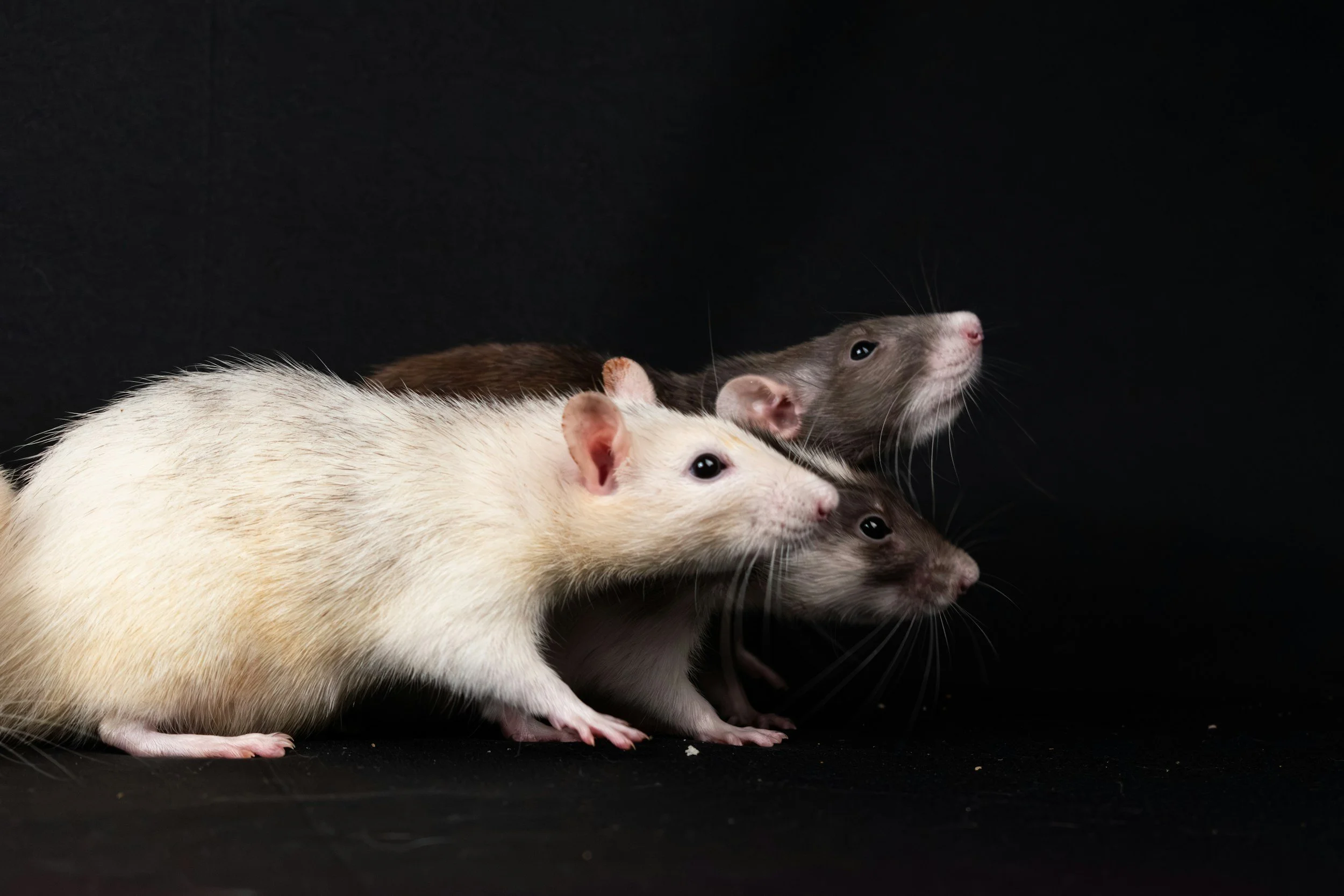
Live or dead rats and mice
Rodents are often active at night, so signs of their presence may appear before you see the animals themselves.
Common rodents around Sydney properties
Common rodents around Sydney properties
Sydney properties may be affected by three common rodent species: the roof rat (black rat), Norway rat (brown rat) and house mouse. They may enter homes and businesses in search of food, water and shelter, often nesting in roof voids, wall cavities, subfloors, garages, sheds and storage areas.
Rodents can contaminate food and surfaces, damage stored belongings, and chew through timber, insulation and electrical wiring. Professional rodent control can help identify the species, locate activity and provide an appropriate treatment plan for your property.
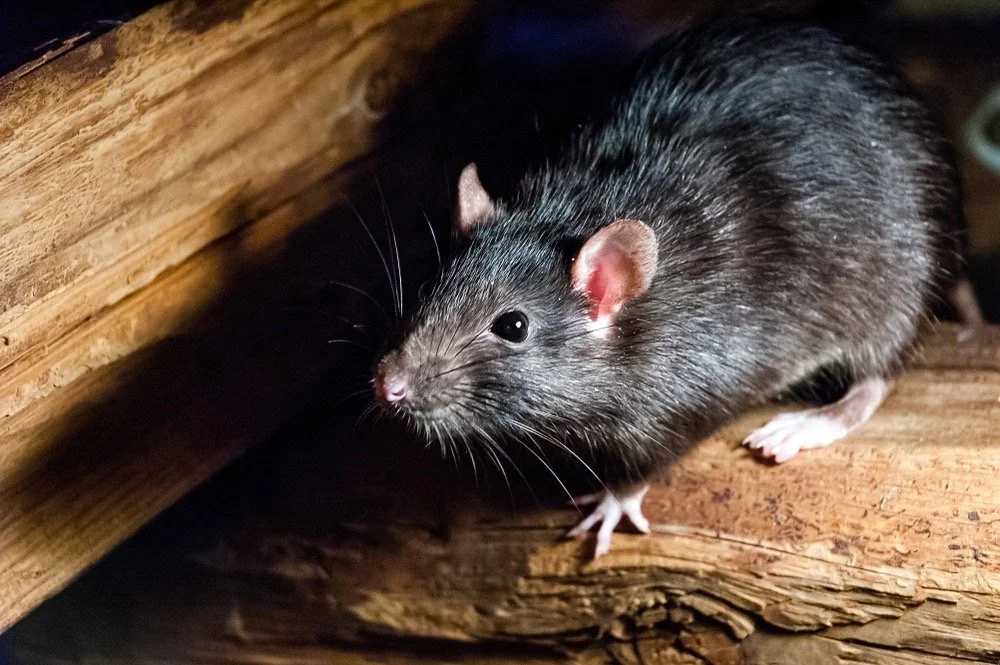
Roof rat
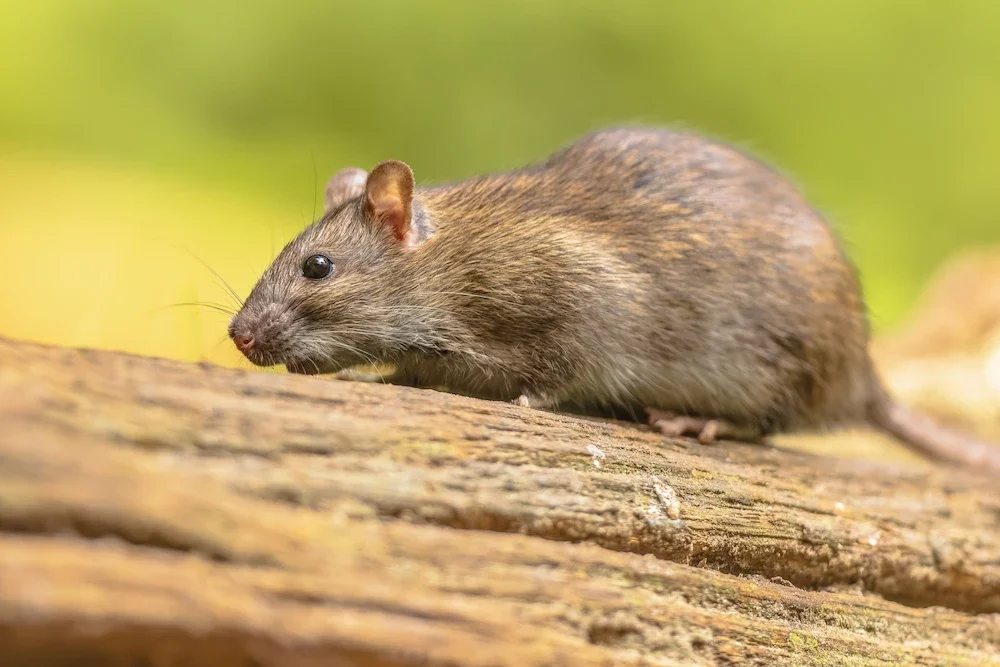
Norway rat
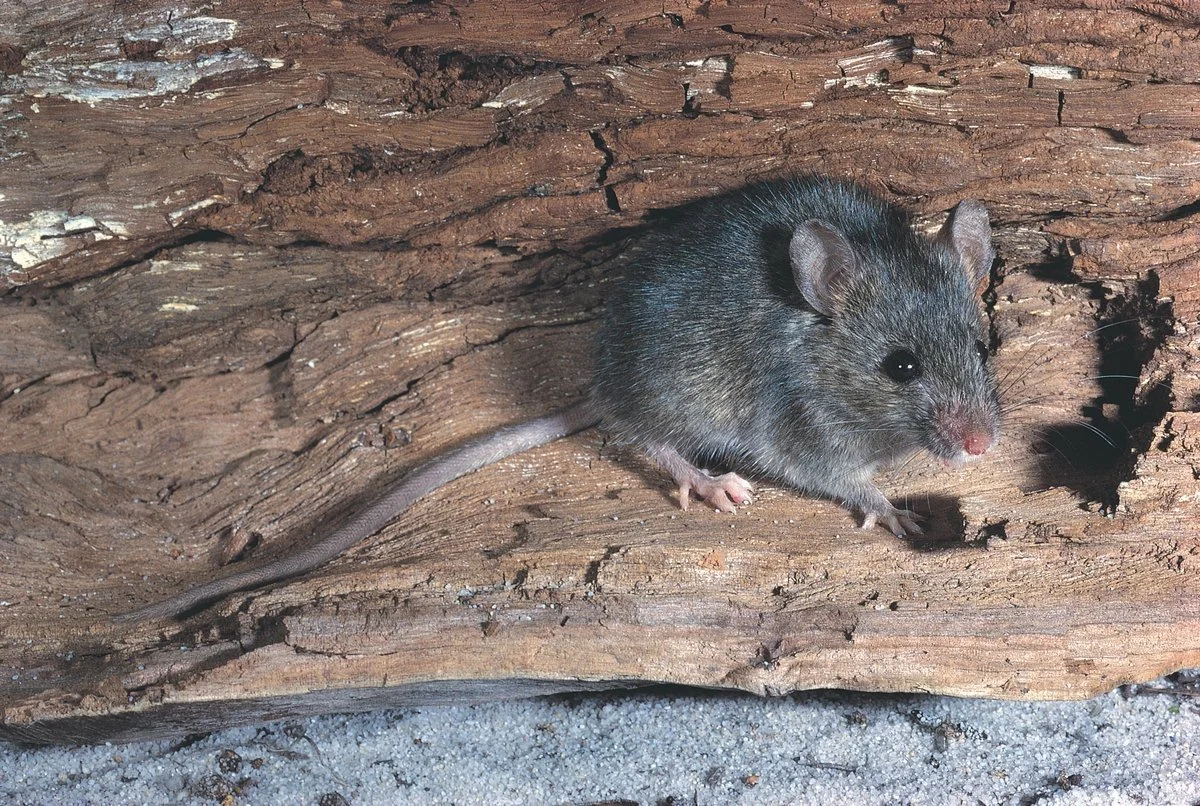
House mouse
Why rodents enter properties
What Attracts Rats and Mice?
Rodents are attracted to properties offering accessible food, water and shelter, including:
Unsealed food and pantry items
Pet food, birdseed and chicken feed
Overflowing or unsecured rubbish bins
Fallen fruit and garden produce
Compost and food scraps
Leaking taps, pipes or standing water
Cluttered sheds and storage areas
Dense vegetation and accumulated garden waste
Gaps around doors, roofs, pipes and building foundations
Even a tidy property can experience rodent activity when suitable access or shelter is available nearby.
Common hiding and nesting areas
Where Do Rodents Hide?
Rats and mice may shelter:
Inside roof voids and wall cavities
Beneath floors and buildings
Behind cupboards, appliances and stored items
Inside garages, sheds and storerooms
Around rubbish and compost areas
Beneath dense vegetation
Inside unused equipment or machinery
Around animal enclosures
In burrows near buildings and gardens
Within piles of timber or accumulated materials
Risks and damage
Problems Caused by Rodents
Rodents may:
Contaminate food and surfaces with droppings and urine
Damage food packaging and stored products
Gnaw electrical wiring, timber, insulation and other materials
Create unpleasant odours
Introduce fleas, mites or other parasites
Damage stock and equipment in commercial premises
Create noise inside ceilings, walls and subfloors
Food or packaging showing evidence of rodent contamination should be discarded safely.
Professional rodent treatment
How Pest In The West Can Help
Effective rodent management involves more than placing bait where activity has been noticed. We inspect the property for signs of activity, likely travel routes, food sources, nesting areas and potential entry points.
Depending on the property and level of activity, the management plan may include:
Secure rodent bait stations
Targeted baiting in suitable concealed areas
Trapping where appropriate
Monitoring of rodent activity
Identification of possible entry points
Hygiene and prevention recommendations
Follow-up visits when required
Treatment methods and equipment are selected with the property, occupants, pets and surrounding environment in mind. All safety instructions provided by the technician should be followed.
Rodent proofing
Helping to Prevent Rats and Mice
You can help reduce future activity by:
Storing food, pet food and birdseed in sealed containers
Cleaning food spills and crumbs promptly
Using rubbish bins with secure-fitting lids
Removing uneaten pet food overnight
Collecting fallen fruit and garden produce
Repairing leaking taps and pipes
Removing clutter and unused materials
Trimming vegetation away from the building
Keeping sheds and storage areas organised
Sealing suitable gaps and openings
Repairing damaged vents, screens and doors
Major gaps or building defects may require repair by an appropriately qualified tradesperson.
Safe clean-up advice
Cleaning Rodent Droppings
Avoid sweeping or vacuuming dry rodent droppings, as this may disturb contaminated dust.
Keep children and pets away from affected areas and use suitable protective equipment and disinfecting procedures. Heavily contaminated areas may require professional cleaning.
Need Help With Rats or Mice?
If you’ve noticed scratching noises, droppings or other signs of rodent activity, Pest In The West can assess the problem and recommend a suitable management plan.
Call Elias on 0422 363 988 or request a free quote online.