PEST Services
PEST Services
Your search for the best pest control service in Sydney ends here!
At Pest In The West, we conduct thorough inspections to identify pest activity throughout your entire property. This includes roof cavities, subfloor areas (where accessible), wall cavities, and even adjacent areas when required, ensuring no infestation goes unnoticed.
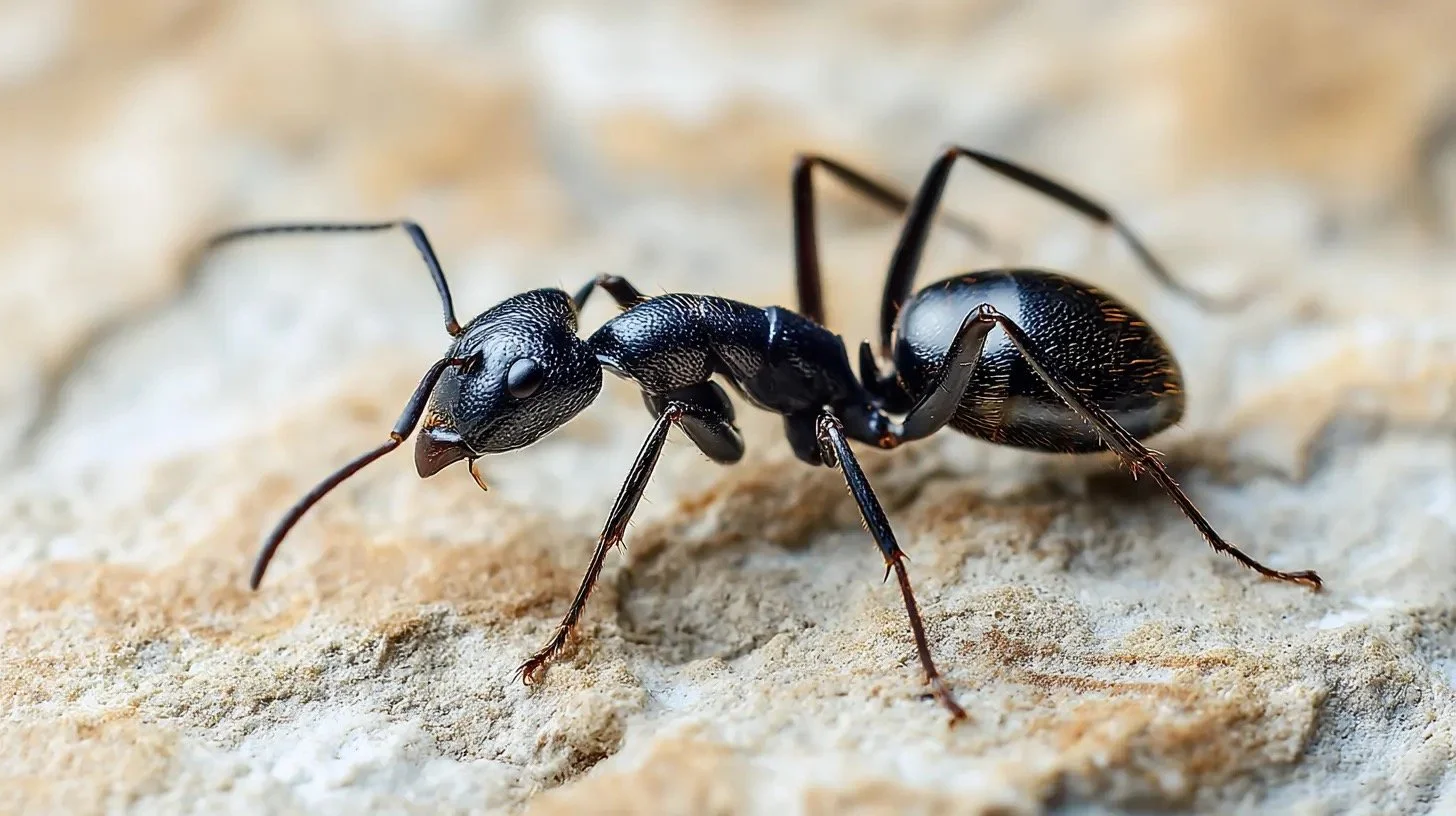
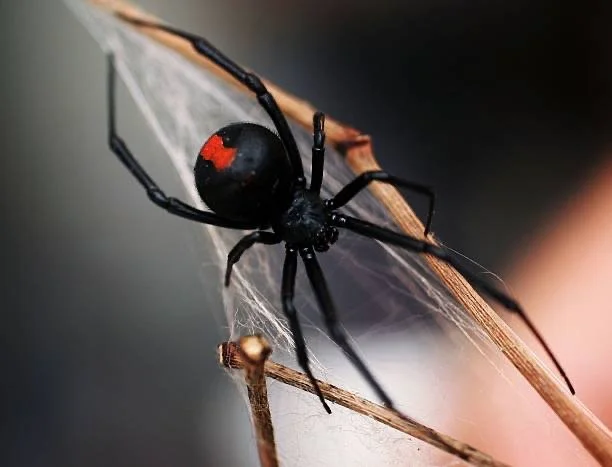
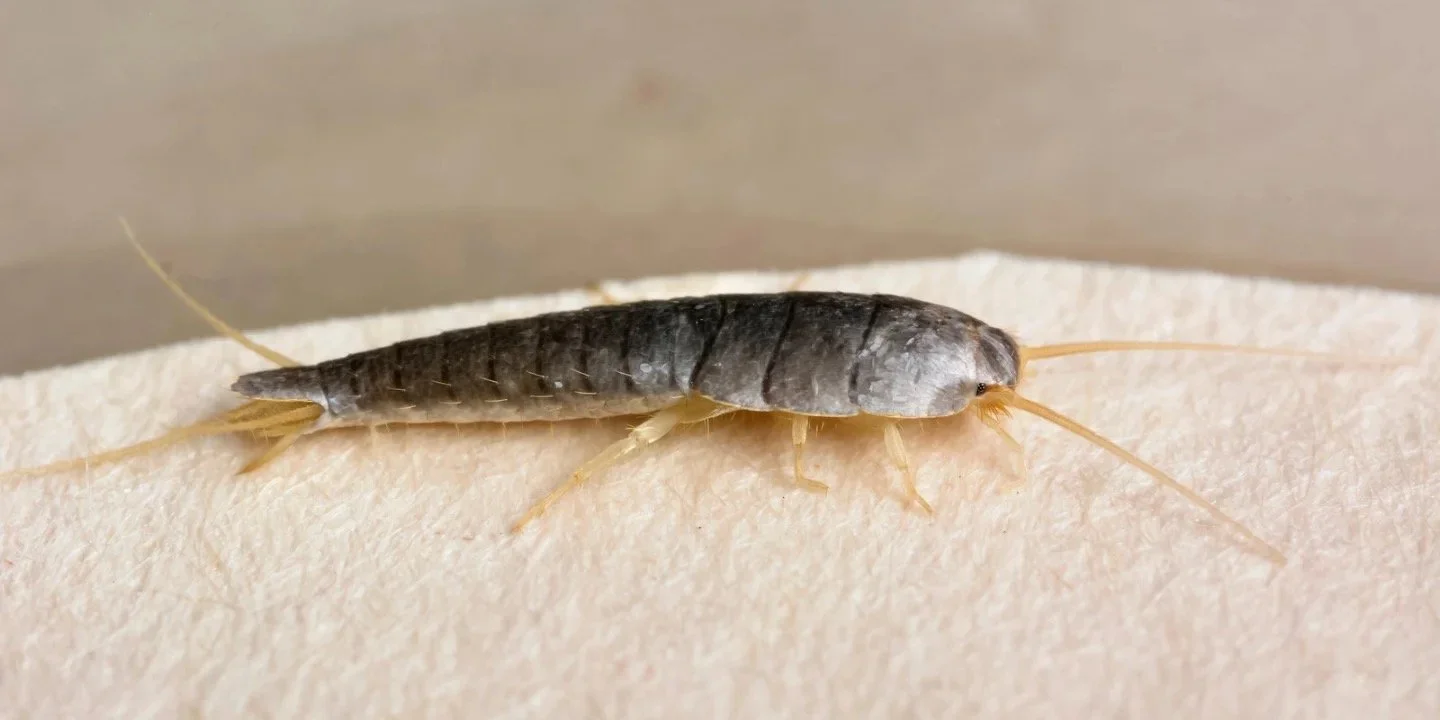
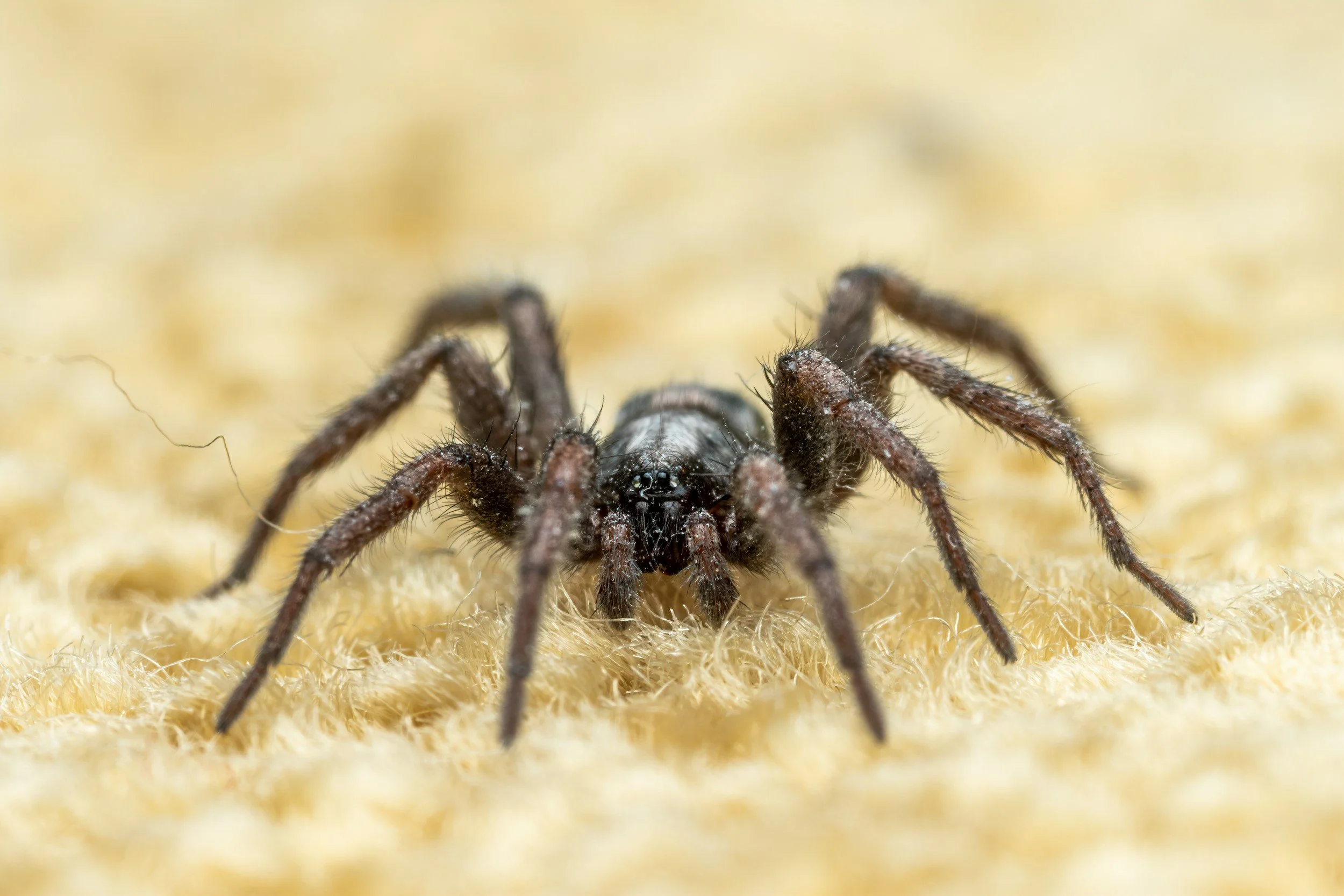
Our general pest control service covers common household pests such as cockroaches, silverfish, spiders, and ants. If we detect a severe infestation, such as German cockroaches, we will advise you accordingly, as a follow-up treatment within 4–6 weeks may be necessary to ensure complete eradication.
To maintain a pest-free home and ongoing protection, we recommend scheduling a professional treatment every 6–12 months. For your convenience, we also send friendly reminder text messages as your next service date approaches.
If you need help eliminating pests from your home, don’t hesitate to get in touch. Call us to book now or click on the Free Quote button below, and we’ll get back to you the same day.
RESIDENTIAL PEST CONTROL
We offer premium solutions to maintain the highest standards of hygiene and sanitation for commercial properties.
Pest In The West is your trusted choice for commercial pest control in Sydney. With 13 years of experience serving local businesses, we take pride in supporting our community while delivering exceptional service.
Our highly skilled pest control professionals provide comprehensive solutions to ensure that no infestation stands a chance. We go above and beyond to guarantee complete customer satisfaction, offering not only effective pest eradication but also ongoing prevention strategies to protect your property.
Whether dealing with ants, cockroaches, rodents, or other pests, our team has the expertise to resolve issues quickly and efficiently, safeguarding your commercial premises from damage and disruption. At Pest In The West, we believe in building strong, lasting relationships with every client while maintaining the highest standards of service.
COMMERCIAL PEST CONTROL
end of lease
Who is responsible for pest control in a rental property?
Moving house can be stressful and time-consuming. Let us take care of your end-of-lease pest control worries.
According to NSW Fair Trading, tenants are usually responsible for eradicating pests if an infestation occurs after they move in and is caused by their activities or lack of cleanliness.
Responsibility depends on the situation:
Pests or vermin were already present when the tenant moved in
Property issues allowed pests to enter or an infestation to develop
The tenant contributed to the problem
Key points:
Landlords are generally responsible for pest issues that exist at the start of a tenancy. This is part of providing a property that is reasonably clean and fit for habitation.
Tenants are generally responsible for pest control if problems arise during their tenancy due to their activities or lack of cleanliness.
At Pest In The West, we provide tailored end-of-lease pest control services in line with your lease terms. We can work around your moving schedule to ensure your property is pest-free when you need it.
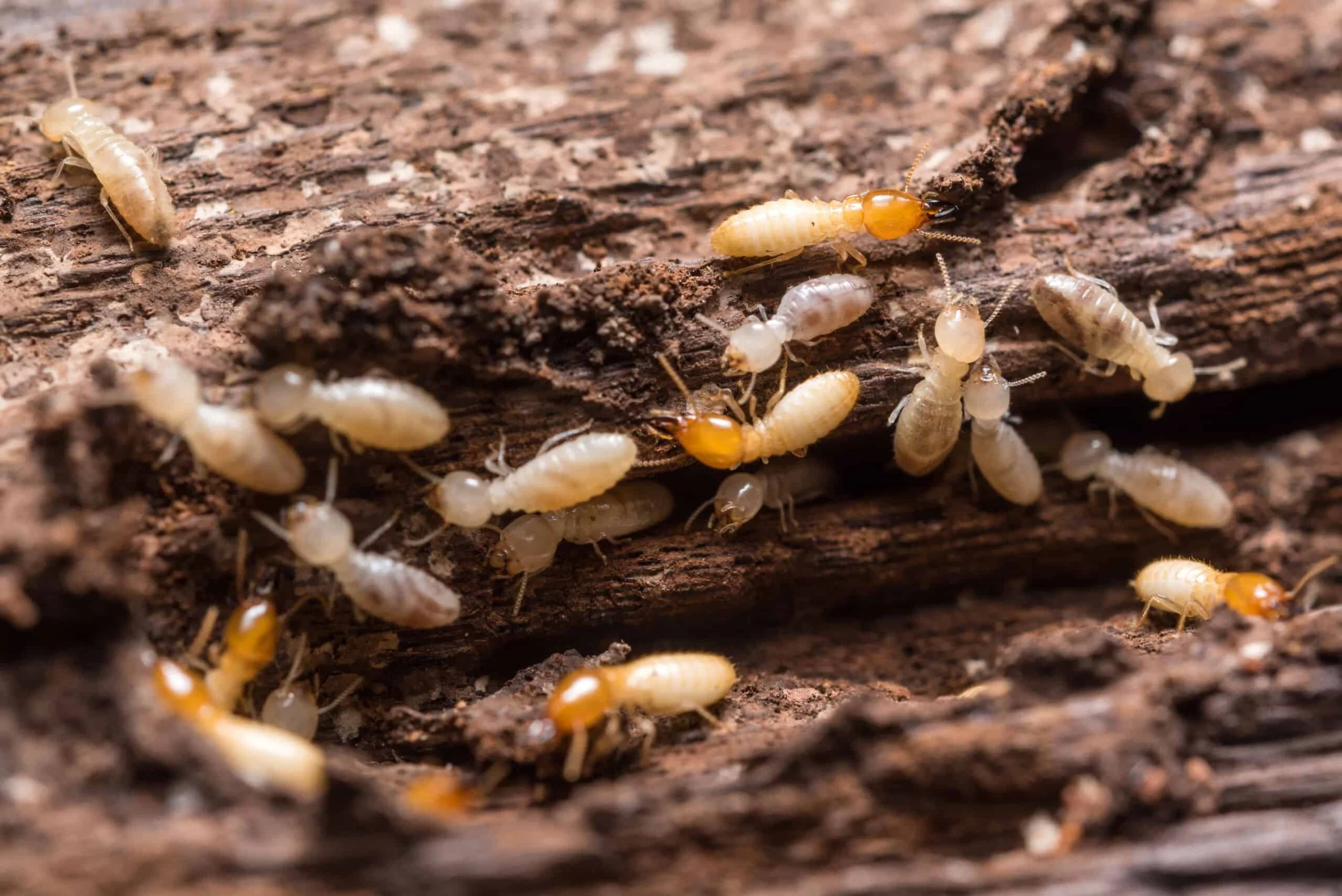
We provide a comprehensive range of termite solutions and preventative measures to protect your home or business.
Termites can cause more damage to homes than many natural disasters. If left untreated, a termite infestation can lead to extensive structural damage and a significant loss of property value. The good news is that infestations can be effectively prevented by engaging professional termite control technicians who use modern, proven protection methods.
According to CSIRO research, Sydney, the Blue Mountains, and the north and south coasts of NSW fall into Australia’s second-highest risk category for termite activity, second only to the tropical north. Homeowners in these areas know that termites and other wood-destroying pests thrive in warm temperatures and high humidity.
Regular termite inspections and treatments are essential for both residential and commercial properties in Sydney and surrounding regions. We strongly recommend a full termite inspection at least once every 12 months and every 6 months for high-risk properties to ensure early detection and long-term protection.
TERMITE SOLUTIONS
What do German cockroaches look like?
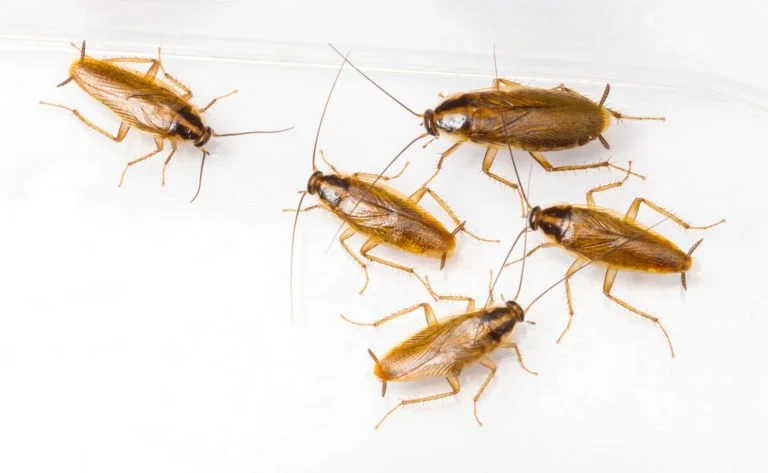
German cockroaches are small, fast-moving insects that are easy to identify once you know what to look for:
Colour: Light brown to tan with two distinct black horizontal stripes just behind the head. Younger cockroaches (nymphs) are darker, almost black, with the same markings.
Size: Adults typically measure 13–16 mm in length.
Wings: Although they have wings, they rarely fly and prefer to run quickly when disturbed.
How did I get German cockroaches?
German cockroaches are common indoor pests found worldwide. Due to their small size, they can easily enter your home by hitching a ride on:
Bags, boxes, and packaging
Luggage and personal belongings
Used furniture, appliances, and electronics
In apartments or multi-unit buildings, they can spread between properties through shared plumbing, pipes, and wall cavities.
What attracts them?
German cockroaches are drawn to areas that provide food, moisture, and shelter. Common hotspots include:
Garbage bins and waste areas
Kitchen cupboards and cabinets
Under sinks and around plumbing
Areas with food crumbs or spills
They are also commonly found in second-hand items and electronics, where warmth and hiding spaces are ideal.
How serious are German cockroaches?
German cockroaches are not just a nuisance; they can pose serious health risks by:
Contaminating food and surfaces
Spreading bacteria linked to food poisoning and dysentery
Triggering allergies, skin irritation, and asthma
In heavily populated areas, exposure to cockroach allergens has been linked to asthma in children.
Rapid infestation
These pests reproduce quickly, making infestations difficult to control:
A single female can produce up to 40 eggs at a time
Eggs mature in as little as two months
Populations grow rapidly and can become severe if left untreated
Because of this, professional treatment is often necessary.
Signs of infestation
Droppings
Small, dark, “pepper-like” specks on surfaces
Dark smears along walls, door frames, and cracks
Egg Capsules
Empty egg cases found in hidden areas
Odour
A musty or unpleasant smell in larger infestations
How We Treat German Cockroaches
At Pest In The West, we provide targeted treatments designed for complete eradication. Our approach typically includes:
A thorough initial treatment inside and outside your property
A follow-up treatment (usually within one week) to eliminate remaining activity
Transparent, upfront pricing with no hidden costs
We deliver effective, long-lasting solutions keeping German cockroaches where they belong…out of your home or business.
GERMAN COCKROACH
What Do Fleas Look Like?
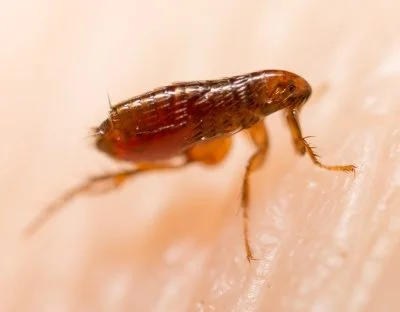
Fleas are tiny, fast-moving parasites that can be difficult to spot with the naked eye. Here’s how to identify them:
Size: Very small, typically 1–8 mm in length
Colour: Reddish-brown with a shiny appearance
Body Shape: Flattened from side to side, allowing them to move easily through fur or hair
Wings: Fleas do not have wings, but they can jump long distances relative to their size
Why Are Fleas a Problem?
Fleas are parasites that feed on the blood of warm-blooded animals, including pets and humans. They can pose serious health risks by:
Causing itchy bites and skin irritation
Triggering allergic reactions in both humans and pets
Spreading parasites such as tapeworms
In rare cases, transmitting diseases like murine typhus
Historically, fleas were responsible for spreading the Bubonic Plague, highlighting just how dangerous they can be if left uncontrolled.
Why Flea Control Is Important
Fleas can quickly infest a home, affecting both your family and pets. Beyond physical discomfort, ongoing infestations can also impact your overall well-being and peace of mind. Early treatment and prevention are key to avoiding larger outbreaks.
How We Treat Fleas
At Pest In The West, we provide a thorough and effective approach to flea control:Conduct a detailed inspection to identify infestation levels and breeding areas
Apply targeted treatments to eliminate fleas at all life stages
Treat critical areas to stop the infestation at its source
Offer ongoing maintenance and prevention advice where required
Your health and safety are our priority. That’s why we use safe, eco-friendly products designed to protect your family and pets while effectively eliminating fleas.
FLEAs
TICKs
What Do Ticks Look Like?
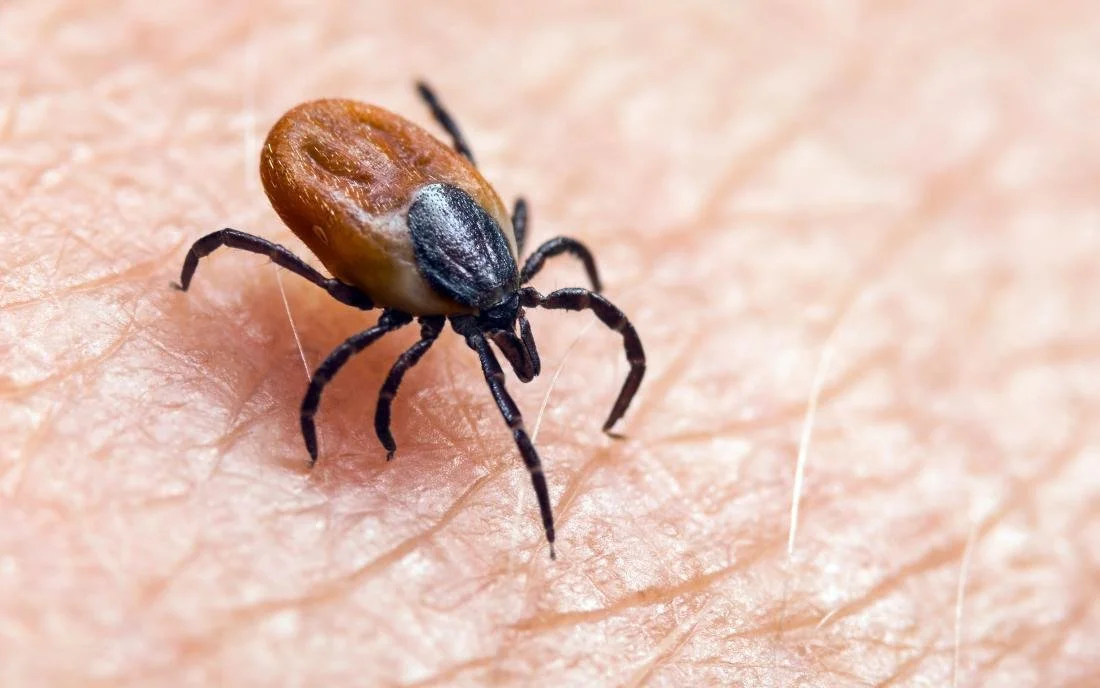
Ticks are small parasitic arachnids that feed on the blood of animals and humans. Their appearance can vary depending on the species and life stage:
Colour: Varies by species, commonly grey, brown, or reddish
Size:
Larvae can be less than 1 mm (almost invisible)
Adults are small, but can grow over 1 cm when engorged with blood
Legs:
6 legs during the larval stage
8 legs during the nymph and adult stages
Why Are Ticks a Problem?
Australia is home to around 75 species of ticks, with several known to bite humans. The most common include the Paralysis Tick, along with Bush Ticks, Brown Dog Ticks, and Cattle Ticks.
Tick bites can be more than just uncomfortable—they can pose serious health risks:
In humans, ticks may transmit infections such as rickettsial diseases
In pets, ticks can cause illness, paralysis, and even death
Both humans and animals may experience allergic reactions or irritation
Pets are especially vulnerable, as they are more likely to come into contact with ticks in outdoor environments.
Why Tick Control Is Important
Ticks can have serious consequences for both human and animal health. Regular monitoring and preventative treatments are essential to protect your family, children, and pets—especially in outdoor areas like gardens and yards.
How We Treat Ticks
At Pest In The West, we provide effective and targeted tick control solutions:
Conduct a thorough inspection to assess infestation levels and locate breeding areas
Apply targeted treatments to eliminate ticks and other crawling insects
Treat high-risk areas around your home and garden
Offer ongoing maintenance and prevention advice
Your health and safety are our priority. That’s why we use safe, eco-friendly products designed to protect your family and pets while effectively controlling ticks.
What Do Bed Bugs Look Like?
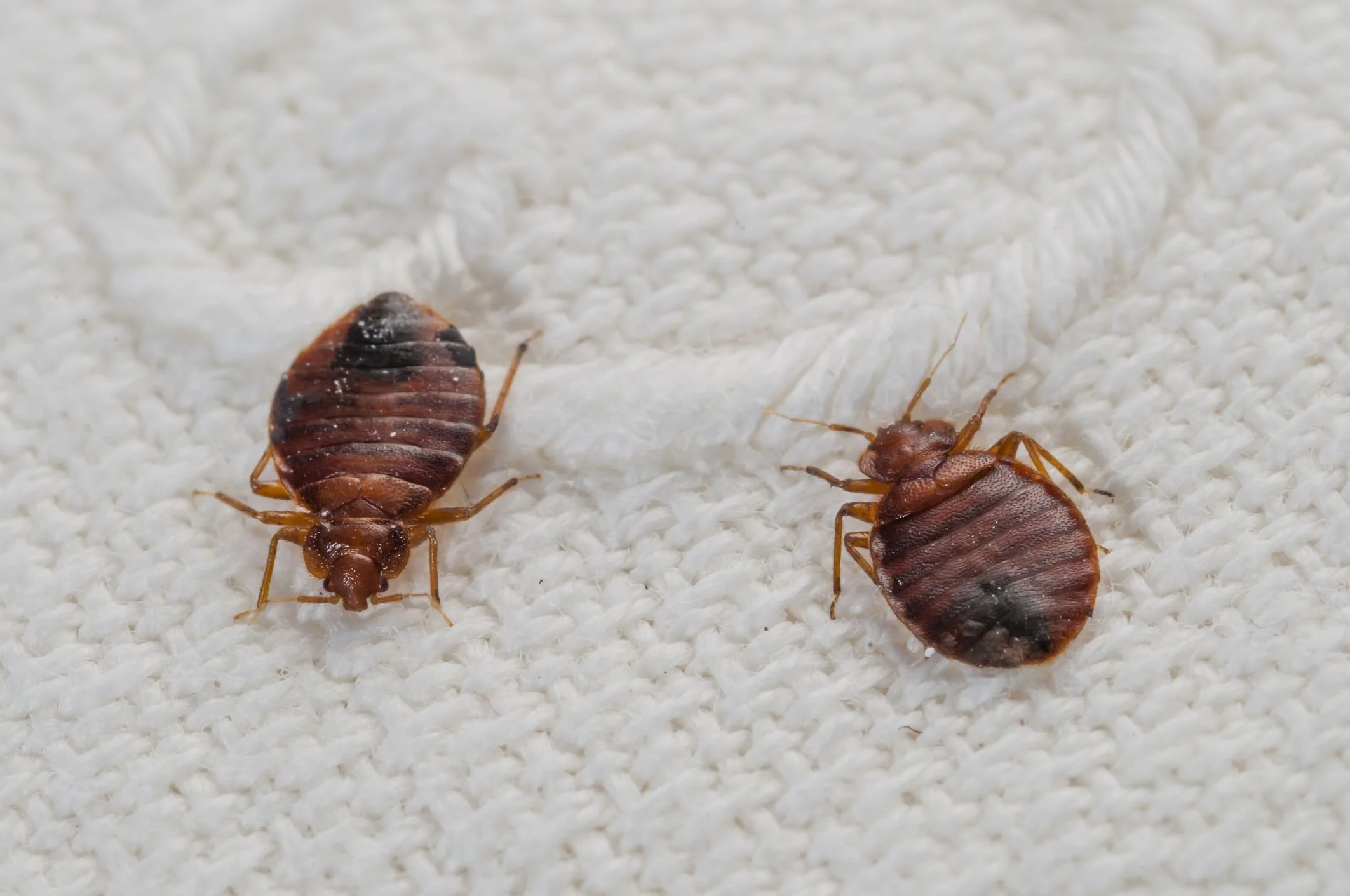
Bed bugs are small, oval-shaped insects that feed on human blood. They can be difficult to spot, but here are their key features:
Size: About 5–7 mm, roughly the size of an apple seed
Colour:
Unfed: Light to dark brown, flat and oval-shaped
Fed: Reddish-brown, swollen, and more elongated
Body: Flat, oval body with well-developed mouthparts for piercing skin
Wings: No functional wings (they cannot fly), but may have short, vestigial wing pads with fine hairs
Why Are Bed Bugs a Problem?
Bed bugs are nocturnal parasites, meaning they are most active at night, although they may bite during the day if hungry. Their bites are often painless at first, but can lead to:
Itching and irritation
Reddened skin and swelling
Allergic reactions in some individuals
Symptoms of Bed Bug Bites
Bed bug bites can vary from person to person, but common symptoms include:
Itchy red welts that may swell
Clusters or lines of bites on the skin
Red marks that fade over several days
Occasional blistering or minor skin damage
Signs of a Bed Bug Infestation
Bed bugs are excellent at hiding, making infestations hard to detect. Look out for:
Blood stains on sheets, mattresses, or pillowcases
Dark spots (droppings) on bedding or furniture
Shed skins or eggshells
A strong, musty odour
Visible bugs or bite patterns on your skin
Common Hiding Spots
Bed bugs tend to hide in areas close to where people sleep, including:
Mattress seams and bed frames
Bedding, sheets, and blankets
Cracks in walls or wooden floors
Behind loose wallpaper
Carpets and skirting boards
Furniture and sofas, especially in seams and crevices
What Causes a Bed Bug Infestation?
Bed bugs are commonly introduced into homes through:
Luggage and travel
Clothing and bedding
Second-hand furniture
High-turnover environments such as hotels, motels, and apartments
Even clean homes can be affected, although good hygiene can help limit their spread.
How We Treat Bed Bugs
At Pest In The West, we provide thorough and effective bed bug treatments designed to eliminate infestations at every stage of their lifecycle:
Detailed inspection of mattresses, furniture, and affected areas
Targeted treatments using proven chemical agents and traps
Elimination of adults, nymphs, and eggs
Follow-up treatments where required to prevent re-infestation
Because bed bugs can be persistent, multiple treatments may sometimes be necessary to ensure complete eradication.
Pest In The West offers affordable, reliable, and effective bed bug removal, giving you peace of mind and a pest-free home.
BED BUGS
RODENTS
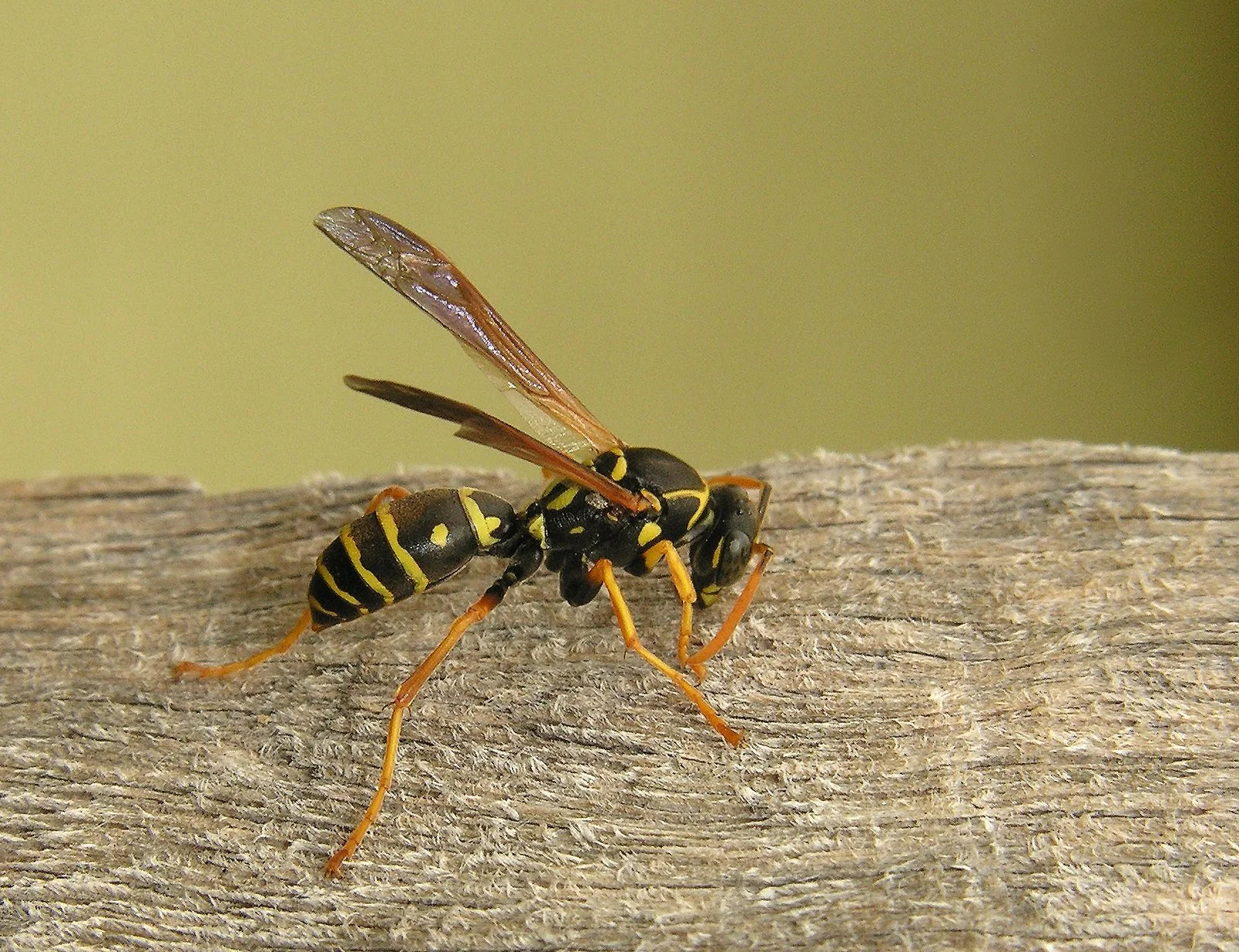
Why Wasp Nests Should Be Removed by a Professional
Wasp nests can pose a serious risk to both your safety and your property. If you’ve ever been stung by a wasp, you’ll know how painful it can be. Unlike bees, wasps can sting multiple times, increasing the risk of injury.
According to Australian health guidance, repeated stings can also increase the likelihood of developing an allergic reaction. For those who are allergic, a wasp attack can lead to severe medical complications and may require urgent attention.
Attempting to remove a nest yourself can be extremely dangerous, as disturbing it may trigger aggressive swarming behaviour. Professional removal ensures the problem is handled safely, effectively, and with minimal risk.
How We Treat Wasps
At Pest In The West, we provide safe and effective wasp removal tailored to your situation. Depending on the nest location and species, our approach may include:
Careful inspection to identify the nest and level of activity
Targeted application of professional-grade treatments, including aerosols, dusts, and liquid solutions
Safe removal of the nest
Preventative measures to reduce the risk of wasps returning
Our goal is to eliminate the infestation quickly and safely while protecting your home or business.
Pest In The West offers affordable, reliable, and professional wasp removal, giving you peace of mind and a safe environment.
WASPS
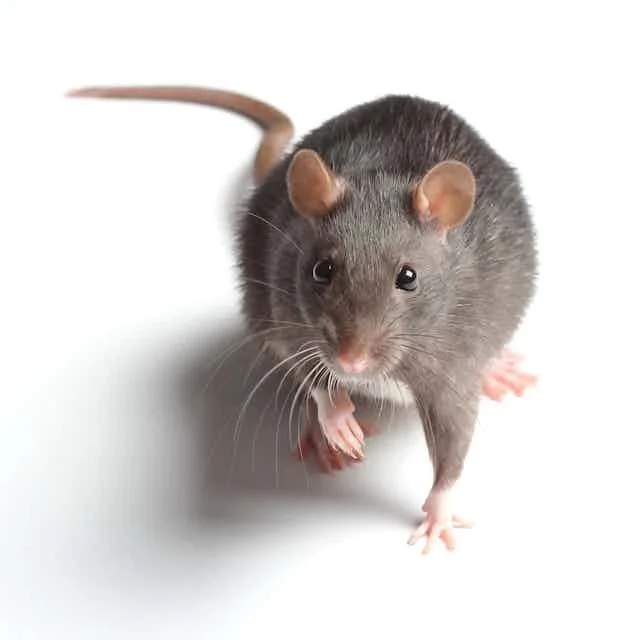
Rodent Exclusion
Rodent-proofing your home is one of the most effective ways to control infestations. The goal is simple—stop rodents from getting inside in the first place. However, this can be challenging, as:
Mice can squeeze through gaps as small as 6 mm or holes around 16 mm (about the size of your little finger)
Rats can enter through gaps of 12 mm or holes the size of your thumb
Because of this, identifying and sealing all potential entry points is essential.
Common Rodent Access Points
To prevent rodents from entering your home, it’s important to secure key areas:
Repair cracks and holes in foundations, walls, and basements
Cap and seal chimneys properly
Ensure all exterior service lines (pipes, cables) are tightly sealed
Cover vents with metal grilles or rust-resistant mesh
Rodent-Proofing Your Home
Rodents thrive in environments where food and shelter are easily available. Combining proofing measures with good sanitation is the most effective way to prevent infestations.
Simple steps include:
Keeping food stored securely
Removing clutter and hiding spots
Clearing away debris and overgrown vegetation
Storing firewood away from the home
Indoor Sanitation
Eliminating access to food and shelter inside your home is key to controlling rodents.
Food Control:
Keep countertops free of food and crumbs
Do not leave food or water out overnight
Store dry foods, pet food, and birdseed in sealed containers
Clean pet bowls after use
Shelter Reduction:
Keep storage areas clean and clutter-free
Seal and monitor hard-to-reach areas
Store items off the floor where possible
Outdoor Sanitation
Maintaining your outdoor environment is just as important:
Trim overgrown vegetation and shrubs
Remove debris such as rock piles and unused equipment
Store firewood at least 30 cm off the ground and away from your home
If you’ve seen signs of rodents or are hearing noises in your walls or ceiling, Pest In The West can help you take back control of your home with effective, long-term solutions.
POSSUM REMOVAL
Did You Know Possums Are a Protected Species in NSW?
Possums are protected under NSW law, and catching, relocating, or harming them without a licence is illegal. Being nocturnal, possums are most active at night, often during our sleeping hours.
When possums take up residence in your roof, they can:
Damage insulation
Chew electrical wiring
Contaminate areas with urine and faeces
Make loud, disruptive noises
Possums are territorial, so removing one alone will not prevent others from moving in. At Pest In The West, we provide safe and humane removal, relocating possums to a suitable nearby habitat far enough to prevent them from returning to your home.
How Do I Know I Have a Possum Problem?
Common signs of possum activity include:
Possums seen in or around the roof
“Cat-like” squealing or squabbling at night
Scampering or pattering sounds of tiny feet
Excessive roof noise, mostly at dusk and dawn
Strange droppings or odours
Chewed fascia boards
Fruits or vegetables being eaten, or garden damage
Dogs barking at walls
Bird lice or unexplained itching
How to Prevent Possums
Inspect:
Once possums are removed, we thoroughly inspect your property for nests or babies, removing them carefully in accordance with government guidelines.
Prevent:
We secure your property by blocking all potential entry points, installing nets, sealing gaps, and reinforcing vulnerable areas to prevent future infestations.
Safe and Humane Possum Removal
Our removal methods are 100% safe and environmentally friendly, ensuring no harm comes to the possum or your property. Our process includes:
Placing possum-safe traps in nesting areas
Daily monitoring, with cameras used where needed
Relocating captured possums to suitable habitats with nearby trees
If you suspect possums in your roof, whether from noises or sightings, Pest In The West can help you reclaim your home safely, legally, and humanely.