
Termite Control Sydney
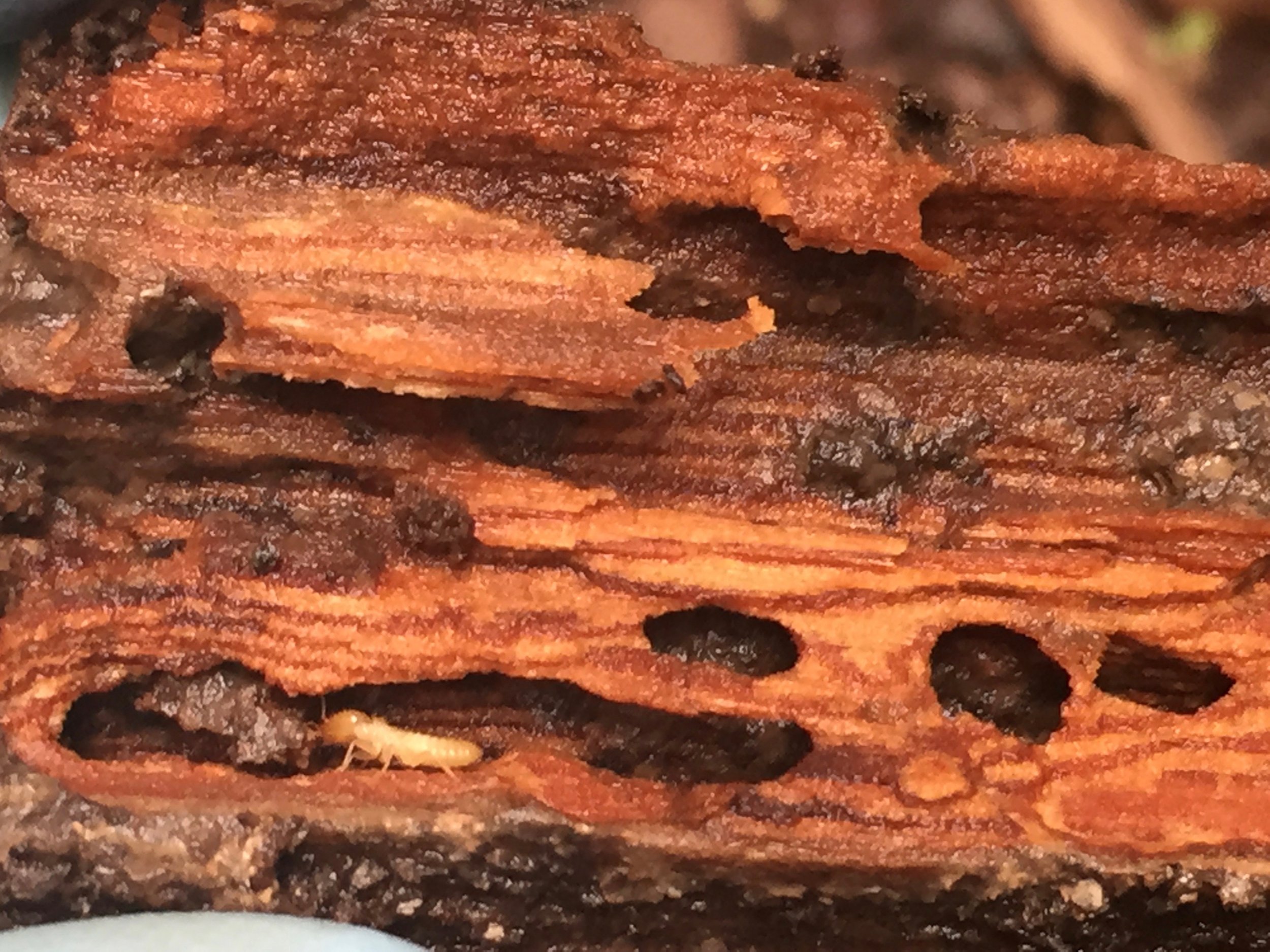
Termites can remain concealed while causing extensive damage to timber and other building materials. Because activity may be hidden behind walls, beneath floors and inside structural timbers, an infestation can go unnoticed for a considerable time.
Pest In The West provides professional termite inspections, active termite treatments and tailored termite management solutions for homes, businesses and strata properties across Sydney.
Our services include:
• Comprehensive termite inspections and reports
• Treatment of active termite infestations
• Chemical soil treatments and barriers
• Termite baiting and monitoring systems
• Physical and pre-construction termite barriers
• Ongoing inspections and termite-management advice
Quick Links
About Termites • Warning Signs • Termite Inspections • Treatments & Management • Reducing the Risk • FAQs
What Are Termites?
Termites are social insects that live in organised colonies containing a queen, king, workers, soldiers and winged reproductive termites known as alates.
Worker termites collect food and maintain the colony, while soldiers protect it. Termites feed on cellulose, which is found in timber, paper, cardboard and other plant-based materials.
Subterranean termites live primarily underground and travel between their colony and food sources through the soil or protected mud shelter tubes. Their concealed behaviour is one reason termite activity can be difficult for property owners to detect.
What Do Termites Look Like?
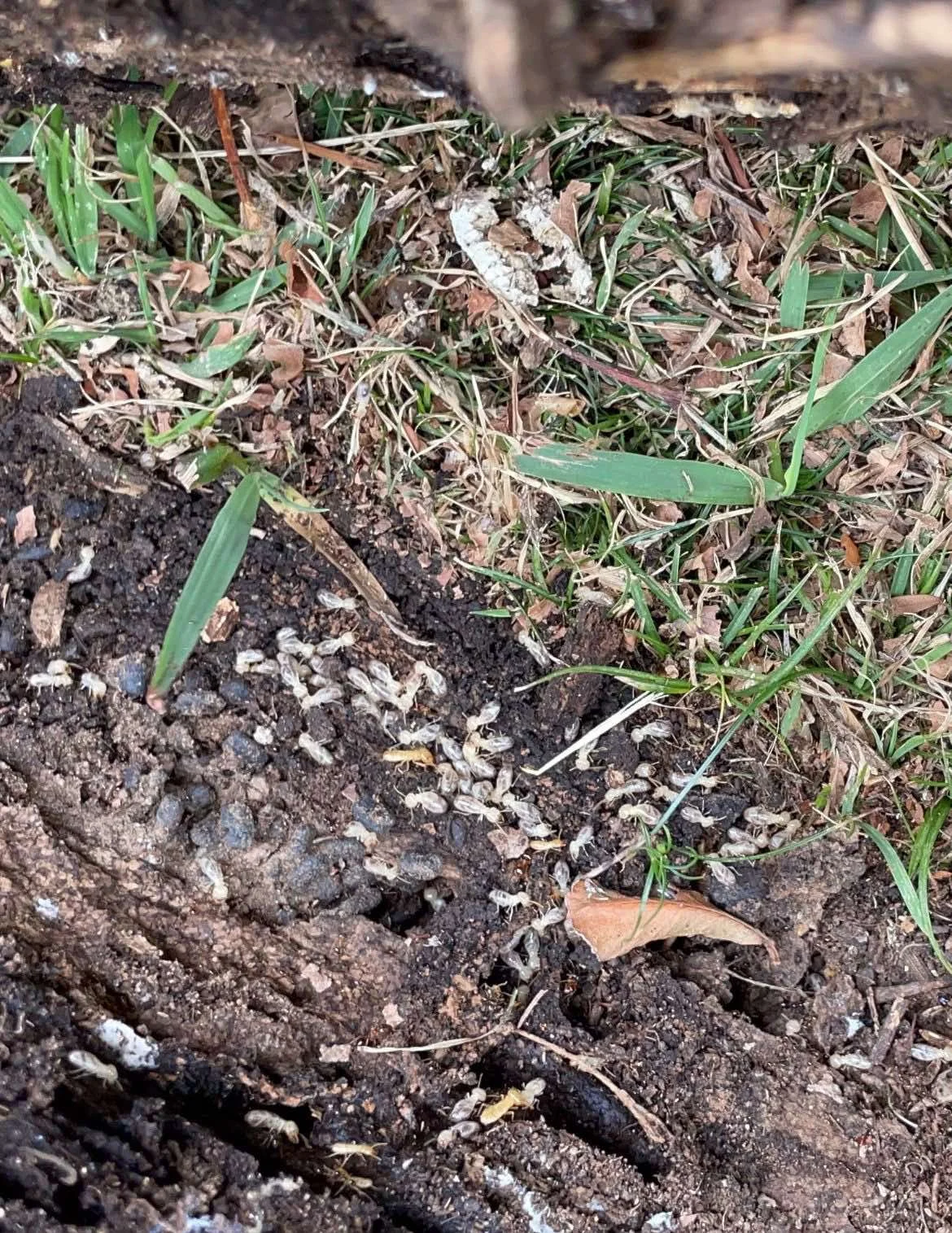
Worker termites are generally small, soft-bodied and pale or creamy-white. Soldier termites have darker, more developed heads and jaws, although their appearance varies between species.
Winged termites, known as alates, are darker in colour and have two pairs of wings of approximately equal length. They may emerge from an established colony in large numbers during warm, humid conditions.
Termites are sometimes called “white ants,” but they are not ants. Termites generally have straight antennae, broad bodies and equally sized wings. Ants have bent antennae, narrow waists and front wings that are longer than their rear wings.
Warning Signs of Termites
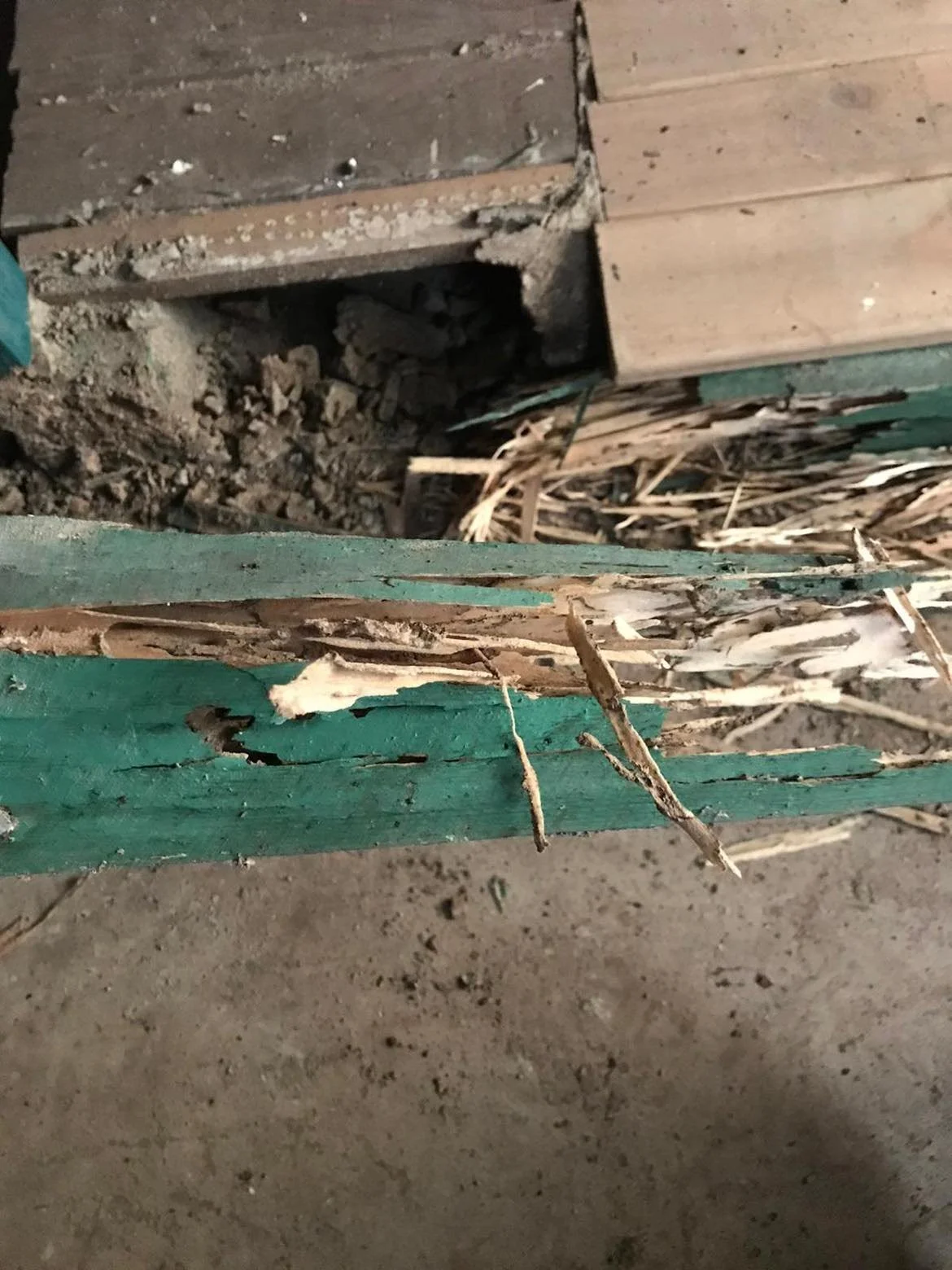
Signs of Termite Activity
Termites are not always easy to detect. Possible warning signs include:
• Mud shelter tubes around foundations, brickwork or other building areas
• Timber that sounds hollow when gently tapped
• Timber that appears blistered, weakened or easily damaged
• Damage to skirting boards, door frames, architraves or flooring
• Doors or windows are becoming difficult to open
• Cracking, bubbling or unusual changes beneath paint or plaster
• Winged termites emerging inside or close to the property
• Discarded termite wings near windows, doors or lights
• Live termites discovered in timber, gardens, fences, trees or stumps
These signs don’t confirm the full location or extent of an infestation. A professional termite inspection is needed to assess the property properly.
Found Termites? Here’s What To Do
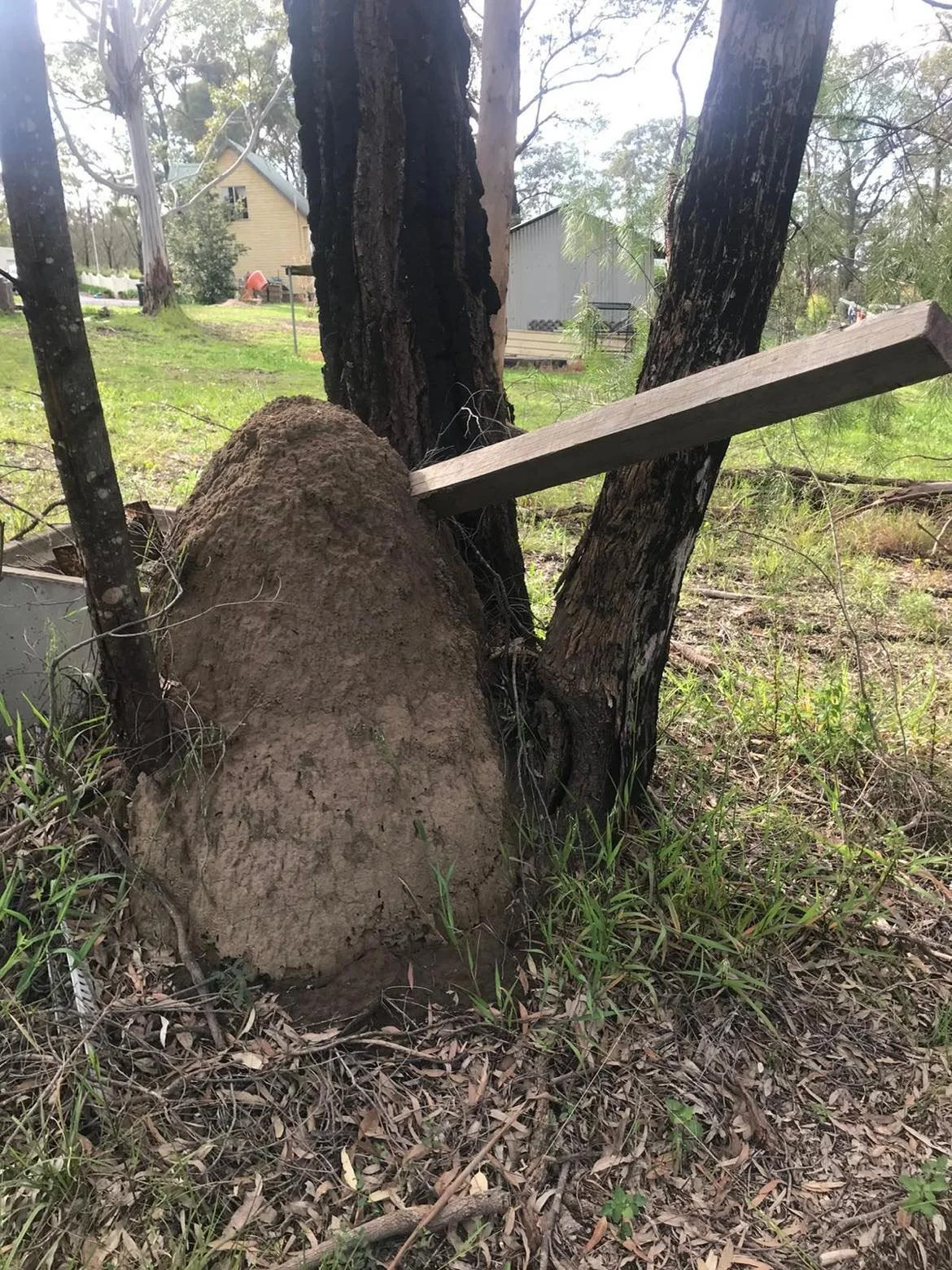
Found Termites? Don’t Disturb Them
If you discover suspected termite activity:
• Don’t break open or remove the affected timber
• Don’t spray the termites with household insecticide
• Don’t remove mud shelter tubes
• Avoid disturbing the surrounding area
• Take a clear photo if you can do so without disturbing them
• Contact Pest In The West as soon as possible
Disturbing termites can cause them to retreat from the visible area while activity continues elsewhere. Leaving the area intact can also help the technician assess the activity and recommend an appropriate treatment.
Termite Inspections Sydney
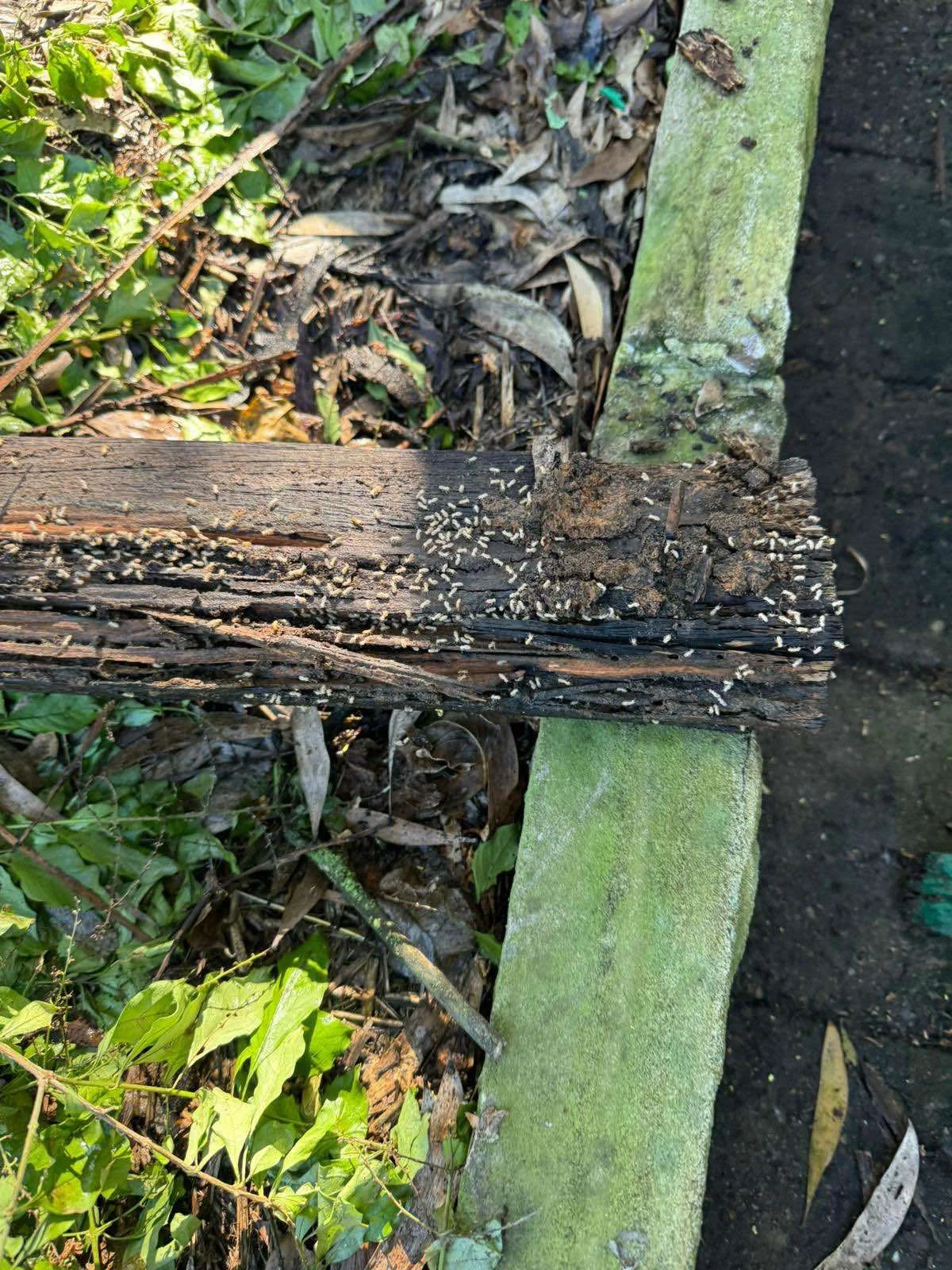
Why Are Termite Inspections Important?
A termite-management system does not make a property completely termite-proof. Regular professional inspections remain important for detecting possible activity, damage, conditions that attract termites and weaknesses in existing management systems.
A termite inspection is generally recommended at least once every 12 months. More frequent inspections may be advised depending on the property’s risk factors, its construction, previous termite history, environmental conditions and the requirements of an installed termite-management system.
Termite damage is also generally excluded from standard home insurance policies. Property owners should check their individual policy to understand their coverage.
What Happens During a Termite Inspection?
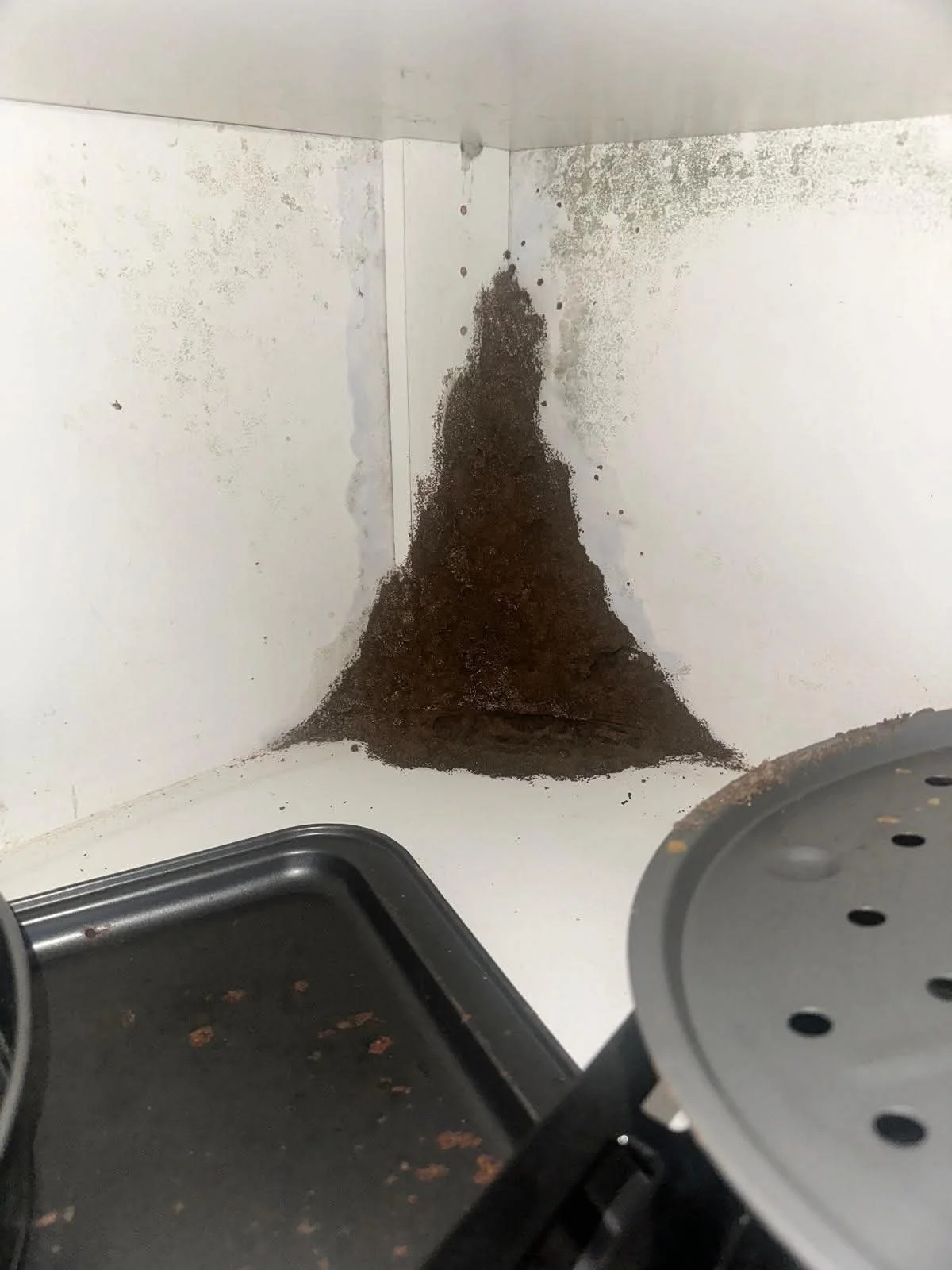
During a termite inspection, the technician visually examines accessible areas of the property for evidence of active termites, previous termite activity, timber damage and conditions that may increase the risk of an infestation.
Where accessible and practical, the inspection may include:
• Internal rooms and accessible building timbers
• The exterior of the building
• Roof voids and subfloor areas
• Skirting boards, door frames and window frames
• Garages, sheds and other timber structures
• Fences, gardens, trees, stumps and stored timber
• Areas affected by moisture, drainage or poor ventilation
• Visible and accessible termite-management systems
• Other accessible areas within the property boundaries
Following the inspection, you’ll receive a report detailing the areas inspected, visible findings, inaccessible or restricted areas, contributing conditions and recommendations. If termite activity is identified, treatment and management options can then be discussed.
Termite Treatments & Management
Active Termite Treatment
When active termites are found, the most appropriate treatment will depend on the termite species, location and extent of activity, the construction of the property and surrounding conditions.
It is important not to disturb or spray active termites before they have been professionally assessed. Pest In The West will inspect the termite activity and recommend a suitable treatment and ongoing management plan tailored to your property.
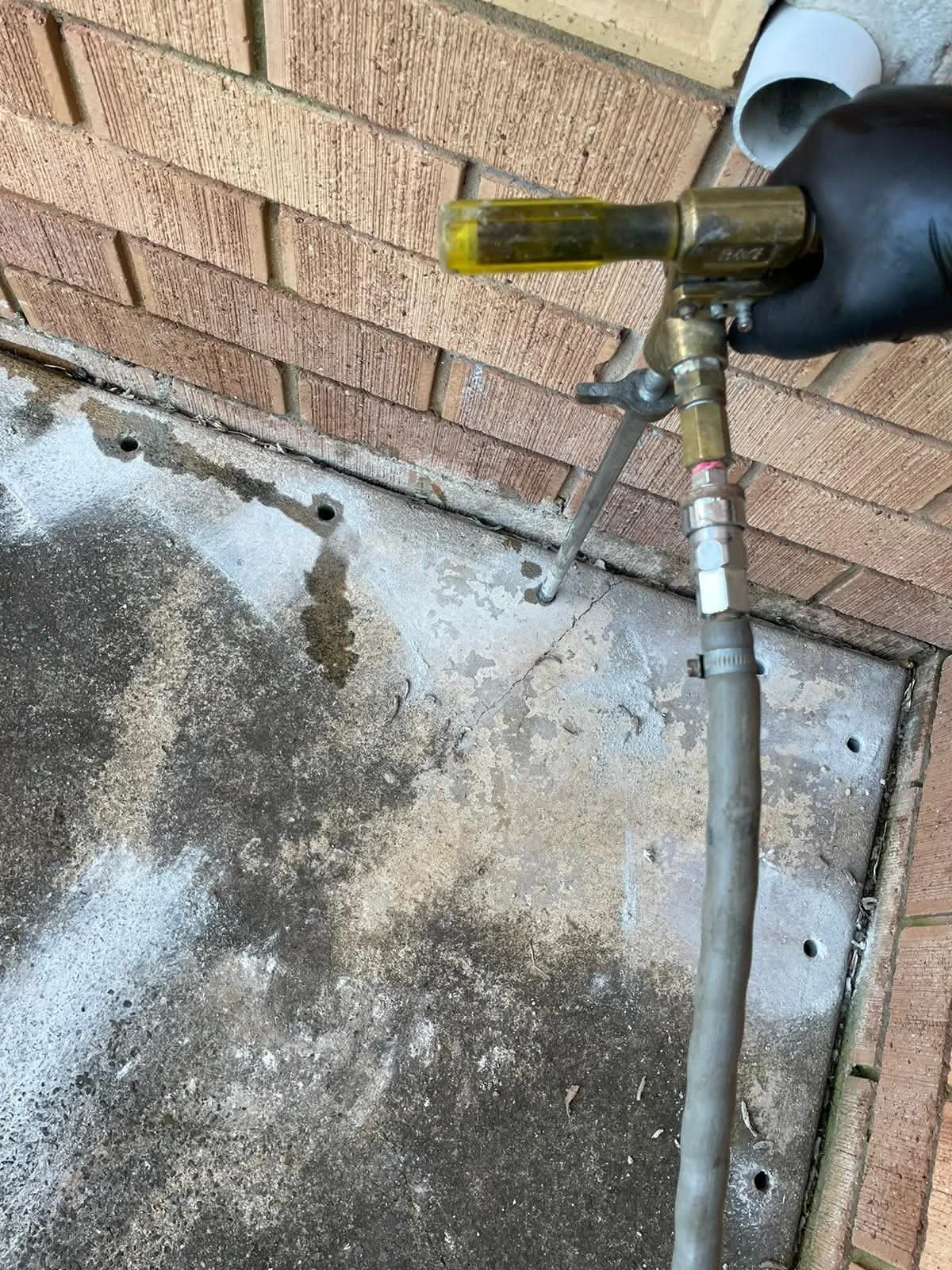
Chemical Soil Treatments and Barriers
A chemical termite-management zone may be installed around or beneath parts of an existing building to help manage subterranean termite entry.
Installation requirements vary between properties and may involve treating soil around foundations or accessing areas beneath concrete. The suitable product, application method, expected life and maintenance requirements will be explained before work begins.
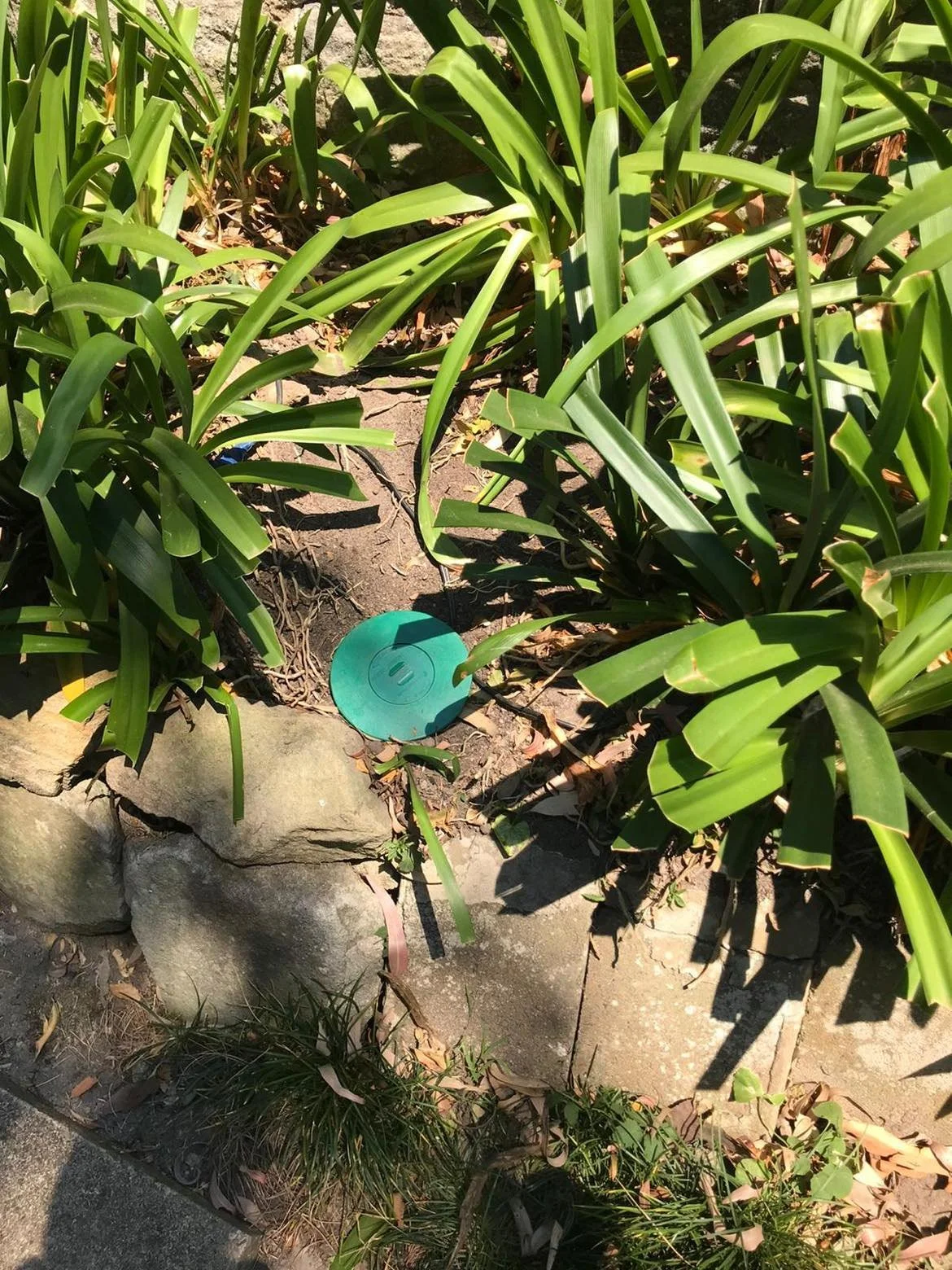
Termite Baiting and Monitoring Systems
Termite baiting and monitoring systems use stations installed in selected areas around a property. The stations are inspected at scheduled intervals for termite activity.
If activity is detected, termite bait may be introduced according to the system requirements. Because these systems rely on ongoing monitoring, regular professional visits are an important part of the management program.
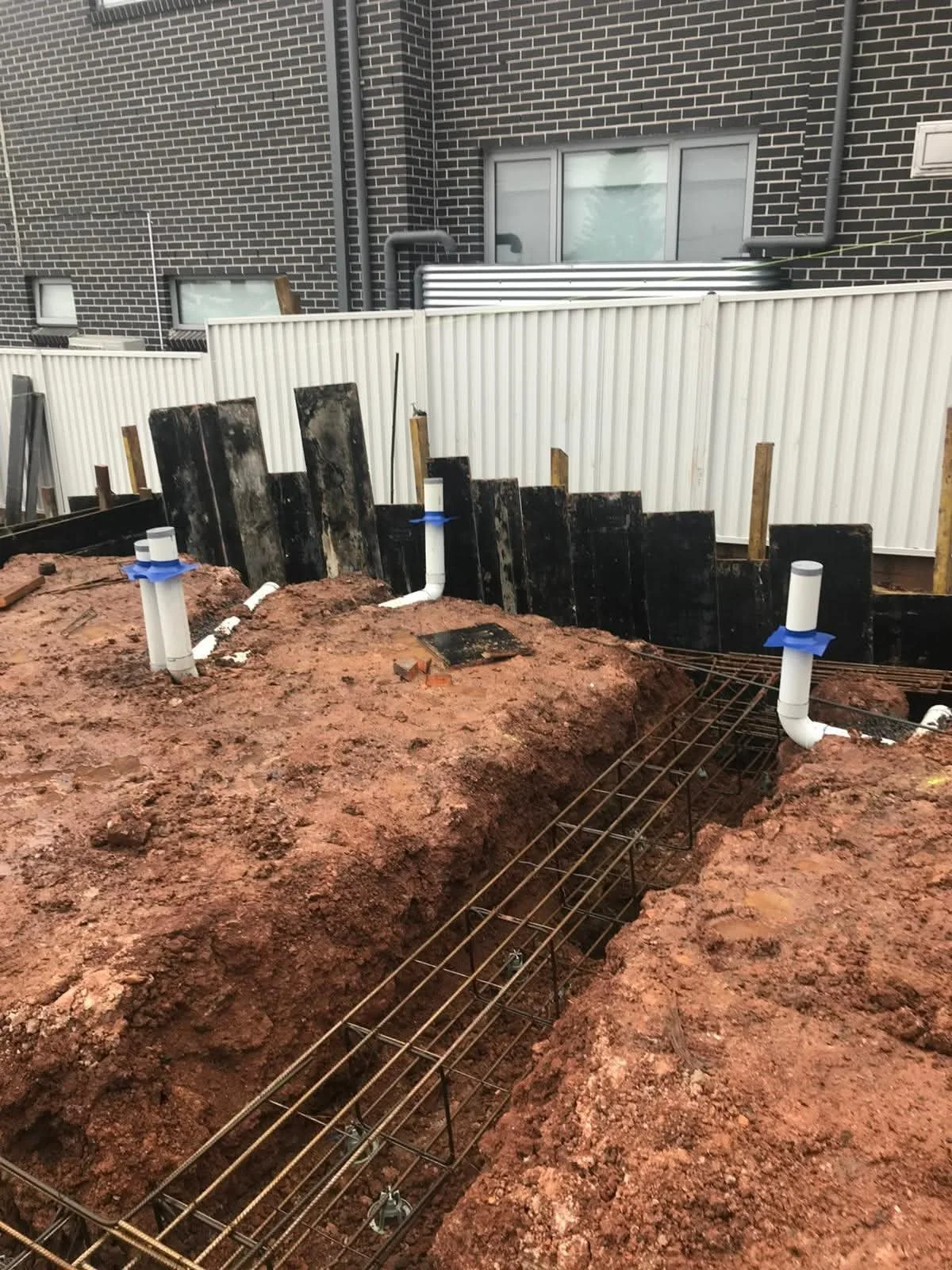
Physical and Pre-Construction Barriers
Physical termite barriers can be installed during construction or major renovation to help restrict concealed termite entry and direct activity towards areas where it may be detected during an inspection.
Depending on the building design, pre-construction termite management may include physical barriers, chemical systems or a combination of methods. These systems must be correctly installed and maintained, and regular inspections are still required after construction.
Ongoing Inspections and Management
Termite management is an ongoing process rather than a one-time service. Inspection frequency, system maintenance and future recommendations will depend on the property, the installed system and the assessed level of risk.
Frequently Asked Questions About Termites
How often should I have a termite inspection?
A professional termite inspection is generally recommended at least once every 12 months. More frequent inspections may be recommended depending on the property's construction, previous termite activity, environmental conditions, termite risk factors and any existing termite management system.
Regular inspections are important because termites can remain concealed while causing damage, and early detection can help reduce the risk of more extensive damage.
Does home insurance cover termite damage?
Termite damage is generally not covered by standard home insurance policies because it is commonly considered preventable through regular inspection and maintenance. However, policies and exclusions vary between insurers, so homeowners should always check their individual policy or contact their insurer to confirm their coverage.
What should I do if I find live termites?
If you discover live termites or suspected termite activity, do not disturb or spray them with household insecticide. Avoid breaking open damaged timber, removing mud shelter tubes or disturbing the surrounding area.
If possible, take a photo without disturbing the termites and contact Pest In The West for professional advice and assessment. Keeping the area undisturbed can assist the technician in assessing the activity and determining an appropriate treatment.
How long does a termite treatment last?
The effective life of a termite treatment or management system varies depending on the product used, application method, property construction, environmental conditions and ongoing maintenance requirements.
Some termite management systems require regular inspections, monitoring or replenishment to remain effective. Pest In The West will explain the expected service life and any ongoing maintenance requirements associated with the recommended treatment for your property.
What is the difference between a termite treatment and a termite barrier?
An active termite treatment is used when live termite activity has been identified and is intended to manage the existing infestation.
A termite barrier or management system is designed to help manage the risk of concealed termite entry into a building. Depending on the property, this may involve a chemical soil treatment, physical barrier, baiting and monitoring system, or a combination of methods.
The most appropriate option will depend on the property's construction, termite activity and individual risk factors.
Can termites return after treatment?
Yes. No termite treatment or management system can guarantee that termites will never attempt to enter a property again. Termites remain naturally present in the surrounding environment and can establish new colonies or find alternative entry points.
For this reason, regular professional termite inspections and ongoing maintenance of any installed termite management system remain important after treatment.
Reducing The Risk
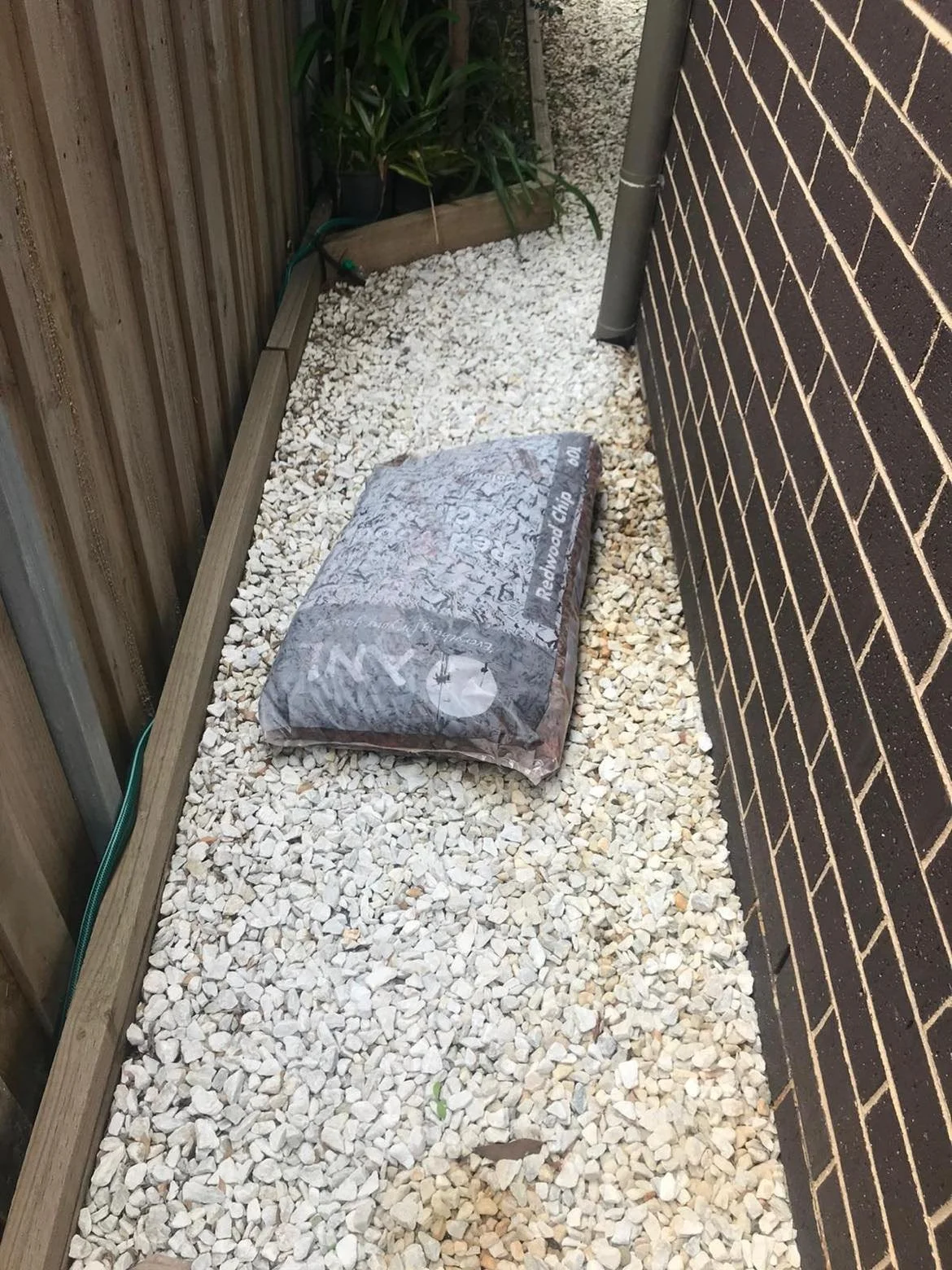
How to Reduce the Risk of Termites
No prevention method can guarantee that termites will never enter a property. However, the following measures can help reduce risk and make concealed activity easier to detect:
• Repair leaking taps, pipes, gutters and drainage problems
• Improve ventilation in damp subfloor and enclosed areas
• Keep weep holes and exposed slab edges visible and unobstructed
• Avoid building garden beds or placing soil against the building
• Remove timber, tree stumps and wood debris from direct soil contact
• Store firewood and timber away from the building
• Avoid placing mulch directly against exterior walls
• Maintain access to subfloor and other inspection areas
• Follow the maintenance requirements of existing termite systems
• Arrange regular professional termite inspections
Regular inspections do not prevent termite entry, but they can improve the chance of detecting activity before more extensive damage occurs.
Concerned About Termites?
If you’ve noticed possible termite activity or your property is due for an inspection, contact Pest In The West for professional advice.
With 13 years of industry knowledge and experience, Elias provides thorough termite inspections and tailored management solutions for properties across Sydney.
Call 0422 363 988 or request a free quote online.