
Flea Control Sydney
Fleas are small, persistent pests that can spread through carpets, furniture, pet bedding and sheltered outdoor areas. An infestation may continue even after adult fleas have been treated because eggs, larvae and pupae can remain hidden throughout the property.
Pest In The West provides professional flea treatments for homes and suitable businesses across Sydney. We assess the affected areas and recommend a targeted treatment to help interrupt the flea life cycle.
What fleas look like
What Do Fleas Look Like?
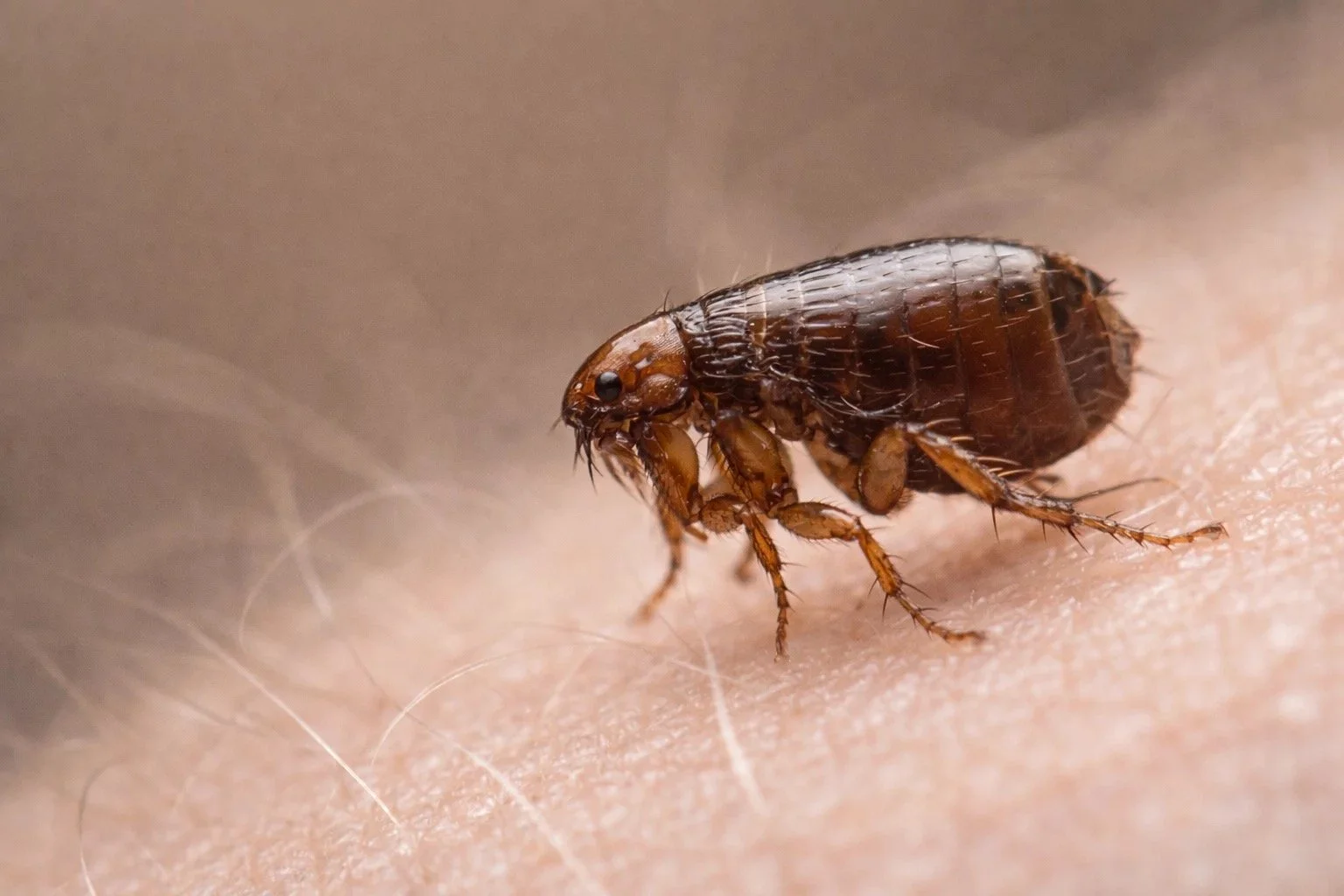
Adult fleas are tiny, wingless insects with narrow, flattened bodies. They are usually dark brown or reddish-brown and have powerful legs that allow them to jump between animals, people and surrounding surfaces.
Flea eggs are extremely small and may fall from an animal into carpets, bedding, furniture and floor gaps. Flea larvae avoid light and can remain concealed within fibres and other protected areas.
Signs of flea activity
Signs of a Flea Infestation
Possible signs include:
Pets scratching, licking or biting their fur
Small, fast-moving insects in pet bedding or carpets
Fleas jumping around the feet and lower legs
Small dark specks in an animal’s coat or bedding
Red, itchy bites, often around the ankles and lower legs
Flea activity increases after a property has been vacant
Continued activity after pets have received flea treatment
Bites alone don’t confirm that fleas are present because other insects and skin conditions can cause similar reactions.
Where fleas hide
Common Flea Harbourage Areas
Fleas and their developing life stages may be found:
In carpets and rugs
Along carpet edges and skirting boards
Inside cracks and floor gaps
In pet beds and blankets
Beneath lounges, beds and furniture
Inside upholstered furniture
In kennels and animal resting areas
Under decks and verandas
In shaded outdoor areas used by pets
In areas visited by rodents or wildlife
Treatment may need to address both indoor and suitable outdoor areas to control the infestation properly.
How infestations develop
How Do Flea Infestations Begin?
Fleas are commonly introduced by cats, dogs, rodents or other animals. Adult fleas feed on an animal, while their eggs fall into the surrounding environment.
Properties without pets can still experience flea activity due to:
Previous occupants had animals
Rodent activity
Stray animals or wildlife
Fleas remaining in a vacant property
Visitors bringing animals into the area
When people or animals return to a previously vacant property, movement and warmth can stimulate emerging fleas, causing sudden noticeable activity.
Flea bites and pets
Fleas, Pets and People
Flea bites can cause small, itchy red marks, although reactions vary between people. Excessive scratching may damage the skin and lead to infection.
Professional property treatment doesn’t replace veterinary treatment for pets. All cats and dogs should be treated using products recommended by a veterinarian, and this should be coordinated with the treatment of the property.
Never apply household pest-control products directly to an animal.
Why fleas can be difficult to control
Why Do Fleas Keep Returning?
A flea infestation includes more than the adult fleas you can see. Eggs, larvae and pupae may remain concealed in carpets, bedding, furniture and other sheltered areas.
Flea pupae are protected inside cocoons and may not be affected immediately by treatment. Newly emerged fleas may therefore be noticed for a period following the service.
Successful control may require:
Professional treatment of the property
Appropriate veterinary treatment for all pets
Thorough preparation
Regular vacuuming as instructed
Treatment of relevant outdoor areas
Follow-up treatment when recommended
Professional flea treatment
How Pest In The West Can Help
We assess the flea activity, areas used by pets and other possible sources before recommending a suitable treatment.
Depending on the property, treatment may include:
Treatment of carpets and suitable flooring edges
Treatment beneath and around furniture
Targeted treatment of cracks and concealed areas
Treatment of pet resting areas
Treatment of suitable outdoor harbourage areas
Products designed to target different flea life stages
Preparation, aftercare and prevention advice
The exact treatment will depend on the infestation, property layout, surfaces, pets and surrounding environment.
Preparing for treatment
Preparing for Flea Treatment
Elias will provide instructions suited to your property and treatment. Preparation may include:
Arranging appropriate flea treatment for every pet
Washing pet bedding as directed
Vacuuming carpets, rugs and furniture
Clearing floors to provide access
Moving suitable items away from the wall edges
Mowing lawns or tidying affected outdoor areas
Keeping people and pets away during treatment and for the advised period
Emptying the vacuum cleaner safely after use
Don’t apply additional sprays before the appointment unless Elias advises you to do so.
Prevention advice
Helping to Prevent Fleas
You can help reduce future flea activity by:
Maintaining regular veterinary flea protection for pets
Washing pet bedding regularly
Vacuuming carpets, rugs and furniture
Cleaning beneath furniture and around skirting boards
Addressing rodent activity
Limiting access by stray animals and wildlife where possible
Keeping outdoor pet-resting areas clean and maintained
Acting promptly when pets begin scratching unusually
Need Help With Fleas?
If fleas keep appearing around your property, Pest In The West can assess the affected areas and recommend a suitable treatment plan.
Call Elias on 0422 363 988 or request a free quote online.