

Silverfish Control Sydney
Silverfish are small, wingless insects that prefer dark, humid and undisturbed areas. They can remain concealed inside cupboards, roof voids, wall gaps and stored belongings, often becoming active at night.
Pest In The West provides professional silverfish treatments for homes and businesses across Sydney. We assess the affected areas and recommend a targeted treatment suited to the property.
What silverfish look like
What Do Silverfish Look Like?
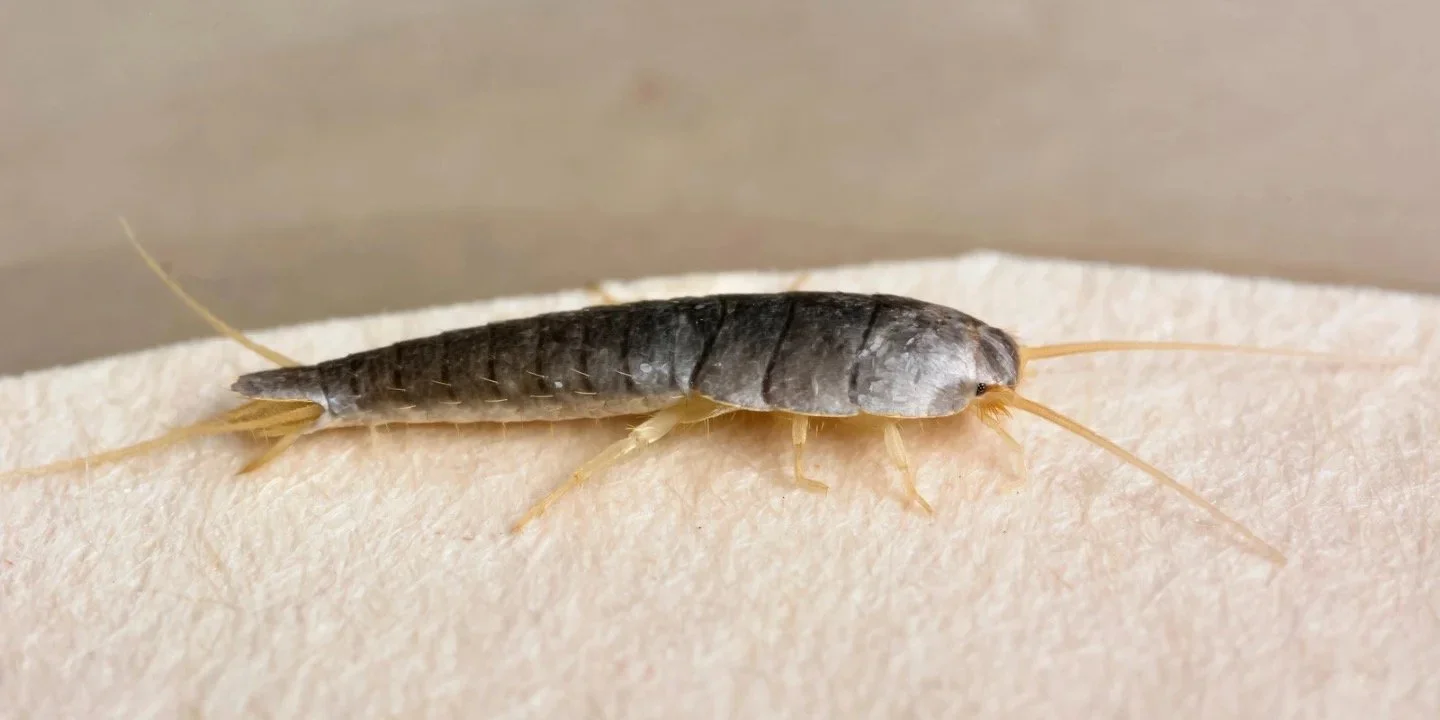
Silverfish have flattened, tapered bodies covered in silver or grey scales. They have long antennae and three tail-like bristles at the rear of their body.
They don’t have wings but can move quickly when exposed to light or disturbed. Young silverfish resemble smaller, paler versions of the adults.
Signs of silverfish activity
Signs of a Silverfish Infestation
Possible signs include:
Live silverfish inside cupboards, bathrooms or storage areas
Silverfish appear when boxes or stored belongings are moved
Small, irregular holes or surface grazing on paper
Yellowish marks or scales on stored items
Damage to books, photographs or wallpaper
Damage to some fabrics and natural fibres
Activity inside roof voids and other dark spaces
Shed skins in concealed areas
Because silverfish are mostly active at night, damage may be noticed before the insects themselves.
Common hiding places
Where Do Silverfish Hide?
Silverfish may shelter:
Inside wardrobes and linen cupboards
Around bookshelves and stored documents
In cardboard boxes
Beneath wallpaper
Along skirting boards and floor gaps
Inside wall cavities and roof voids
In bathrooms and laundries
Beneath sinks and around plumbing
Inside garages, storerooms and archives
Among stored clothing and fabrics
Behind furniture and appliances
They are commonly found in areas that remain dark, humid and undisturbed.
What attracts silverfish
Why Are Silverfish in Your Property?
Conditions that may encourage silverfish include:
High humidity
Poor ventilation
Water leaks or condensation
Damp storage areas
Large amounts of paper and cardboard
Long-term storage of undisturbed belongings
Cracks and gaps provide shelter
Accessible roof voids and wall cavities
Silverfish feed on materials containing starches and other carbohydrates, including some paper products, glues and natural fibres.
Potential damage
Can Silverfish Cause Damage?
Silverfish don’t bite people and aren’t known to spread disease. However, an established infestation may damage:
Books and documents
Photographs
Wallpaper and wallpaper paste
Cardboard packaging
Stored paperwork
Some clothing and fabrics
Items containing natural fibres or starch-based adhesives
Damage is often gradual and may occur in areas that aren’t checked regularly.
Why silverfish can be difficult to control
Why Do Silverfish Keep Returning?
Treating only the silverfish that are visible may not reach activity hidden inside roof voids, cupboards, wall gaps and stored belongings.
Ongoing moisture or humidity can also continue to provide favourable conditions. Effective management may require professional treatment combined with improved ventilation, moisture control and better storage practices.
Professional treatment
How Pest In The West Can Help
We assess the areas where silverfish have been noticed and investigate likely hiding places and contributing conditions.
Depending on the property and accessibility, treatment may include:
Targeted crack-and-crevice treatments
Treatment of suitable cupboards and storage areas
Treatment along skirting boards and floor edges
Treatment of accessible roof voids or wall gaps
Professional dusts or residual products, where appropriate
Moisture, storage and prevention recommendations
Follow-up treatment when required
The treatment method will depend on the property, severity of activity and location of the infestation.
Preparing for treatment
Preparing for Silverfish Treatment
Elias will provide instructions suited to your property. Preparation may include:
Clearing access to the affected cupboards and storage areas
Removing or protecting food and personal items
Moving suitable items away from the wall edges
Identifying areas where silverfish have been seen
Avoiding the use of additional sprays before treatment
Keeping people and pets away during treatment and for the advised period
Delicate documents, photographs and valuable belongings should be handled carefully and discussed with Elias before treatment.
Prevention advice
Helping to Prevent Silverfish
You can help reduce silverfish activity by:
Repairing leaking taps, pipes and other moisture problems
Improving ventilation in humid rooms and storage areas
Using moisture control where appropriate
Storing documents and clothing in sealed containers
Reducing unnecessary cardboard storage
Vacuuming cupboards and undisturbed areas
Checking stored belongings regularly
Sealing suitable cracks and gaps
Avoid storing valuable paper items in damp areas
Moisture problems inside the building may require assessment by an appropriately qualified tradesperson.
Need Help With Silverfish?
If you’re finding silverfish in cupboards, roof voids or stored belongings, Pest In The West can assess the activity and recommend a suitable treatment.
Call Elias on 0422 363 988 or request a free quote online.