
Clothes & Pantry Moth Control Sydney
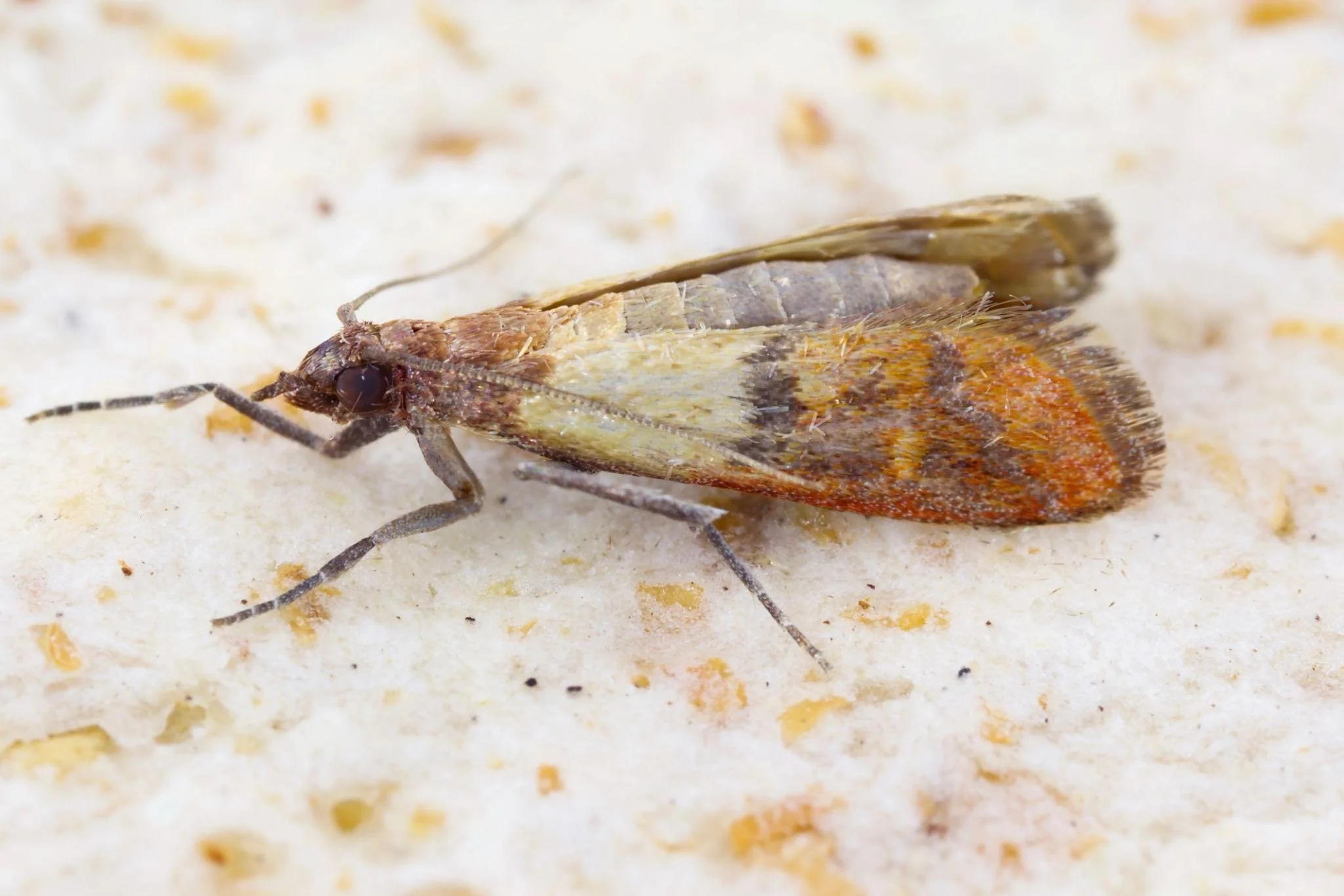
Small moths around your home can point to two different problems. Clothes moth larvae may damage wool clothing, rugs and other natural fibres, while pantry moth larvae can infest stored dry foods. Finding the source is an important first step because the affected areas need different attention.
Pest In The West helps customers across Sydney identify moth activity and assess affected areas. We recommend a targeted approach suited to the type of moth and the extent of the problem.
Clothes moths and pantry moths: what’s the difference?
Clothes moths are usually found around wardrobes, stored clothing, rugs and upholstery. Their larvae feed on materials containing animal fibres, such as wool, silk and feathers.
Pantry moths are usually found around kitchen cupboards and stored dry foods. Their larvae may develop in products such as flour, cereal, rice, nuts, dried fruit and pet food.
In both cases, the larvae cause the damage. Seeing adult moths can help alert you to a problem, but it is important to locate the item or food product where the larvae are developing.
Signs of clothes moths
Possible signs include:
Small, irregular holes or worn patches in wool clothing and other natural fibres
Larvae or small silken cases among fabrics
Fine webbing on affected items
Moths appearing in wardrobes or storage areas
Check items that have been stored undisturbed, as damage may go unnoticed until they are taken out to wear or use.
Signs of pantry moths
Possible signs include:
Small moths flying near kitchen cupboards or food storage areas
Larvae or fine webbing inside packets of dry food
Food particles clumped together by webbing
Larvae crawling on shelves, walls or ceilings near the pantry
An affected product may be unopened at first glance, so check stored dry foods carefully, including items kept at the back of cupboards.
Where moths may be found
Clothes moth larvae may be found in wardrobes, drawers, stored blankets, rugs and upholstered furniture, particularly where items are rarely moved or cleaned.
Pantry moths may develop inside packets and containers of dry food. The source can also be an overlooked product, such as old pet food, birdseed or a packet stored at the back of a cupboard.
How Pest In The West can help
We start by discussing where moths have been seen and inspecting the likely source of activity. Once we identify whether the problem involves clothes moths or pantry moths, we can recommend suitable steps for the affected areas and targeted treatment where appropriate.
For clothes moths, this may involve checking affected fabrics and nearby storage areas. For pantry moths, locating and removing infested food is essential; treating a cupboard without dealing with the source will not solve the problem. Elias will explain any recommended treatment and preparation after assessing the property.
Preparing for moth treatment
If possible, keep a photo or sample of the moth or larva and note where you have seen it. Check nearby clothing or dry foods for signs of activity, but avoid moving affected items into other rooms.
Elias will advise what needs to be removed, cleaned or made accessible before any treatment. Infested food should not be kept for use.
Helping to prevent moth problems
For clothes moths, clean garments before storing them, vacuum wardrobes and areas beneath furniture, and check stored woollens regularly. Keep clean, pest-free items in suitable sealed storage.
For pantry moths, check dry foods before placing them in cupboards, discard products showing signs of infestation, and clean shelves and cupboard crevices thoroughly. Store dry foods in well-sealed containers and check older products regularly.
Need Help With Moths
Finding moths in your wardrobe or pantry? Pest In The West can help identify the activity and recommend the next steps for your Sydney property.
Call Elias on 0422 363 988 or request a free quote online.